Health Insurance for Families in NZ: Plans, Costs, and What to Prioritise
Raising a family in New Zealand comes with enough financial pressures without the added worry of healthcare costs. While the public system covers a lot, it does not cover everything, and the gaps can be significant when your child needs specialist care, surgery, or orthodontic treatment.
Family health insurance is designed to bring parents and children under one policy, often at a lower combined cost than insuring everyone separately. But not all family plans are created equal, and working out what your household actually needs takes some thought.
This guide breaks down how family health insurance works in New Zealand, what it costs, what the major providers offer, and how to prioritise your spending so you are covered where it matters most.
How Family Health Insurance Works in NZ
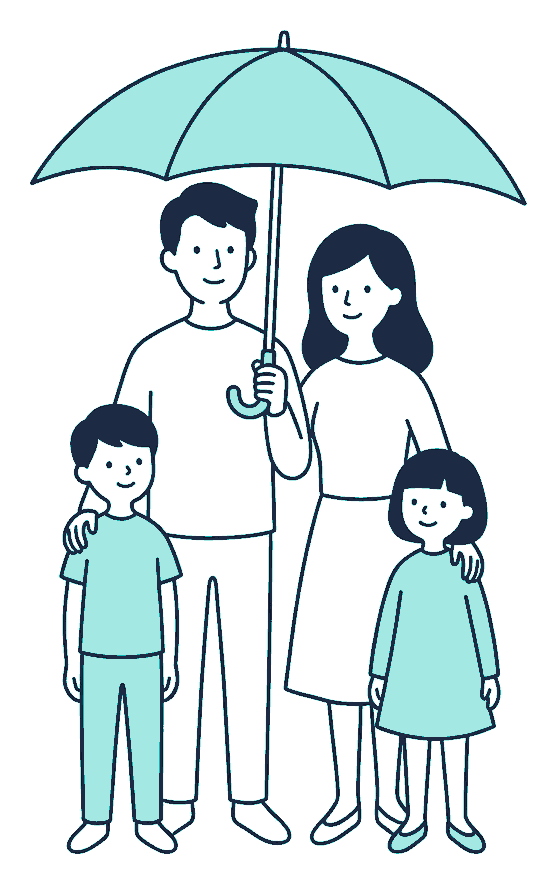
Family health insurance in New Zealand typically covers two adults and their dependent children under a single policy. The structure varies by insurer, but the general approach is consistent: parents pay premiums based on their age and health, and children are either included free or at a significantly reduced rate.
Most insurers define "dependent children" as those aged under 21 (or under 25 if in full-time study). Once a child reaches the age threshold, they need to transition to their own individual policy.
The key features of family plans include:
- Shared policy structure. One policy document, one premium payment, and one set of benefits covering the whole family.
- Children included at low or no cost. Many insurers add dependent children to a parent's policy at no additional premium for hospital and specialist cover.
- Consistent benefit levels. Children typically receive the same level of cover as the parents on the policy, including access to private hospitals and specialists.
- Single excess or deductible. Some family plans cap the total excess payable per year across the whole family, rather than charging per person per claim.
It is worth noting that "family plan" is not a distinct product category at every insurer. In some cases, it simply means adding dependants to an existing individual or couples policy. The end result is similar, but the terminology and pricing structure can differ.
What Does the Public System Already Cover for Children?
New Zealand's public system already gives children free GP visits up to age 13, free prescriptions, free dental care through the Community Oral Health Service up to age 18, free treatment in public hospitals including surgery and inpatient stays, and a fully funded childhood immunisation schedule. Orthodontics is not included, and non-urgent wait lists can stretch for months or years.
- Free GP visits. All children aged 13 and under receive free GP visits. From age 14, standard GP fees apply (typically $50 to $75 per visit).
- Free prescriptions. Prescription medicines are free for all New Zealanders, including children.
- Free dental care. The Community Oral Health Service provides free dental care for children and adolescents up to age 18. This covers check-ups, fillings, extractions, and basic preventive care, but does not include orthodontics.
- Free hospital treatment. All children are entitled to free treatment in public hospitals, including surgery, emergency care, and inpatient stays.
- Immunisations. The childhood immunisation schedule is fully funded.
So why would a family consider private cover on top of all that? The short answer is access, speed, and scope. Public hospital wait lists can stretch for months or even years for non-urgent conditions. Specialist referrals through the public system are triaged by severity, and conditions that are painful but not life-threatening may sit in a queue for a long time. Private cover gives your family the ability to bypass those wait times and access a wider range of treatments.
What Family Health Insurance Covers
Family health insurance in New Zealand is structured in three tiers. Hospital cover pays for surgeon, anaesthetist and theatre fees, private accommodation, diagnostic imaging and cancer treatment. Specialist cover pays for paediatrician, dermatology and ENT consultations outside hospital. Everyday cover handles GP visits from age 14, dental including orthodontics, and optical, and carries the lowest claim limits.
Hospital cover (the foundation)
This is the most important layer and covers the cost of private hospital treatment, including:
- Surgeon, anaesthetist, and theatre fees
- Hospital accommodation (private room)
- Diagnostic imaging (MRI, CT scans)
- Cancer treatment (chemotherapy, radiation)
- Post-operative care and rehabilitation
For families, hospital cover means you can get your child into surgery quickly if they need grommets, tonsil removal, or orthopaedic procedures, rather than waiting months on a public list.
Specialist cover
This covers consultations and treatment from medical specialists outside of a hospital setting:
- Paediatrician appointments
- Dermatology
- Ear, nose, and throat (ENT) specialists
- Physiotherapy and related therapies
- Diagnostic tests requested by specialists
Specialist cover is particularly valuable for children with ongoing conditions that require regular monitoring or treatment.
Everyday cover (GP, dental, optical)
This tier covers routine healthcare expenses:
- GP visits (relevant once children turn 14)
- Dental care (orthodontics, treatment beyond the free public service)
- Optical (glasses, contact lenses, eye exams)
- Prescription costs above the funded amount
Everyday cover tends to have the lowest claim limits and the highest premium relative to its benefit. For many families, it is the least essential tier, but it can be worthwhile if you expect significant dental or orthodontic costs.
Cost of Family Health Insurance in NZ
The cost of family health insurance depends on the ages of the parents, the level of cover chosen, the excess amount, and the insurer. Children are often included free for hospital and specialist cover, which makes family policies surprisingly affordable relative to individual plans.
Here is how the three common cover levels rank against each other for a family of two adults (aged 35) and two children.
| Cover level | Relative monthly premium | What it includes |
|---|---|---|
| Hospital only | Lowest | Private hospital treatment, surgery, cancer care |
| Hospital + specialist | Moderate, a modest step up from hospital only | Above, plus specialist consultations and diagnostics |
| Comprehensive (hospital + specialist + everyday) | Highest, and the largest single step up | Above, plus GP visits, dental, optical |
This ranking is indicative for 2026. Actual premiums vary significantly by insurer, region, health history, and the specific plan selected, so a personalised quote is the only accurate figure. Choosing a higher excess ($500 or $1,000 per person) can reduce premiums by 15% to 30%.
For comparison, insuring each family member individually would typically cost 40% to 60% more than a family policy covering the same group. The savings come from children being added at no or minimal extra cost.
Comparing Family Plans: Southern Cross vs nib vs Partners Life
Southern Cross, nib and Partners Life take different approaches to family cover in New Zealand. Southern Cross, the largest insurer with roughly 900,000 members, includes dependent children free on most plans and runs its own hospitals in Auckland, Hamilton, Wellington and Christchurch. nib charges a small premium per child but offers higher dental and optical limits, and Partners Life includes children free.
Southern Cross Health Society
Southern Cross is New Zealand's largest health insurer, covering roughly 900,000 members. Key features for families:
- Children included free. Dependent children are covered at no extra premium on most plans, including their flagship WellbeingOne and WellbeingTwo products.
- No GP referral needed. Members can self-refer to approved specialists in many cases.
- Broad hospital network. Southern Cross operates its own hospitals in Auckland, Hamilton, Wellington, and Christchurch.
- Everyday cover available. Their HealthEssentials plan can be added for dental, optical, and GP benefits.
- Non-profit structure. As a friendly society, surplus is reinvested into member benefits rather than distributed as profit.
Southern Cross tends to be competitively priced for families, particularly for hospital and specialist cover. The main limitation is that their everyday plans have relatively modest claim limits.
nib New Zealand
nib is an Australian-owned insurer that has grown significantly in the NZ market. Key features for families:
- Children covered at reduced rates. nib typically charges a small additional premium per child, rather than offering fully free children's cover.
- Strong everyday benefits. nib's everyday plans tend to offer higher dental and optical limits than Southern Cross.
- Wellness programmes. nib offers wellbeing incentives and rewards for healthy behaviours.
- Flexible plan structures. Multiple plan tiers allow families to mix and match cover levels.
nib can be a good option for families who want stronger everyday benefits, particularly if dental and optical are priorities. The trade-off is that premiums may be slightly higher than Southern Cross for equivalent hospital cover.
Partners Life
Partners Life is a New Zealand-owned insurer better known for life and income protection insurance, but they also offer health cover. Key features for families:
- Children included free. Dependent children are covered at no additional premium.
- Integrated cover. Families already holding life insurance or income protection with Partners Life can manage all policies in one place.
- Comprehensive hospital cover. Their health plans include strong surgical and hospital benefits.
- Less established in health. Partners Life's health insurance book is smaller than Southern Cross or nib, which means fewer member reviews and less public pricing data.
Partners Life suits families who already have other insurance with the provider and want to consolidate. For health-only cover, Southern Cross and nib remain the more established choices.
When Family Health Insurance Makes the Most Sense
Family health insurance makes the most sense in New Zealand when children need specialist access, since public waits for a paediatrician, ENT or orthopaedic surgeon run to months, when orthodontic treatment costing $6,000 to $10,000 is likely, when common childhood surgeries such as grommets or tonsillectomy are on the horizon, or when family health history suggests future treatment.
Specialist access for children. If your child needs to see a paediatrician, ENT specialist, or orthopaedic surgeon, public wait times can be months. Private cover gets them seen in days or weeks.
Orthodontic treatment. Braces and other orthodontic work for children are not covered by the public dental service. Costs typically range from $6,000 to $10,000, and health insurance with dental benefits can offset a meaningful portion of that. Read more about dental cover options in our dedicated guide.
Surgical procedures. Common childhood surgeries like grommets, tonsillectomy, and adenoidectomy can involve long public wait lists. Private cover means your child gets treated promptly.
Private school or sports requirements. Some private schools and competitive sports programmes recommend or require families to hold health insurance. Having cover in place avoids scrambling to arrange it at the last minute.
Family history of health conditions. If there is a history of conditions that may require specialist treatment, getting cover while children are young and healthy means they are insured before any pre-existing conditions develop.
Peace of mind. For some families, the certainty of knowing they can access private care quickly, without worrying about cost, is worth the monthly premium on its own.
What to Prioritise When Choosing Family Cover
Hospital cover comes first for New Zealand families, because a single private surgery can cost $15,000 to $50,000 or more. Specialist cover comes second, since consultations run $200 to $500 per appointment and often require several visits. Everyday cover comes last, as dental claim limits of around $500 to $1,000 a year rarely exceed the premiums paid.
1. Hospital cover first
This is where the real financial risk lies. A single private surgery can cost $15,000 to $50,000 or more. Hospital cover protects your family from catastrophic out-of-pocket costs and gives you access to private surgical care when the public wait list is too long.
2. Specialist cover second
Specialist consultations and diagnostics are expensive ($200 to $500 per appointment) and often require multiple visits. Adding specialist cover to your hospital plan is usually a relatively modest premium increase for significant additional protection.
3. Everyday cover last
GP visits, dental, and optical are the most predictable and manageable healthcare costs. While everyday cover is nice to have, the annual claim limits (often $500 to $1,000 for dental) mean you rarely get back more than you pay in premiums. Consider whether self-funding these costs makes more financial sense for your family.
The exception: If you know your children will need orthodontic treatment in the next few years, adding everyday or dental cover now (and serving the waiting period) can save you thousands when the time comes.
Children's Dental and Optical Cover
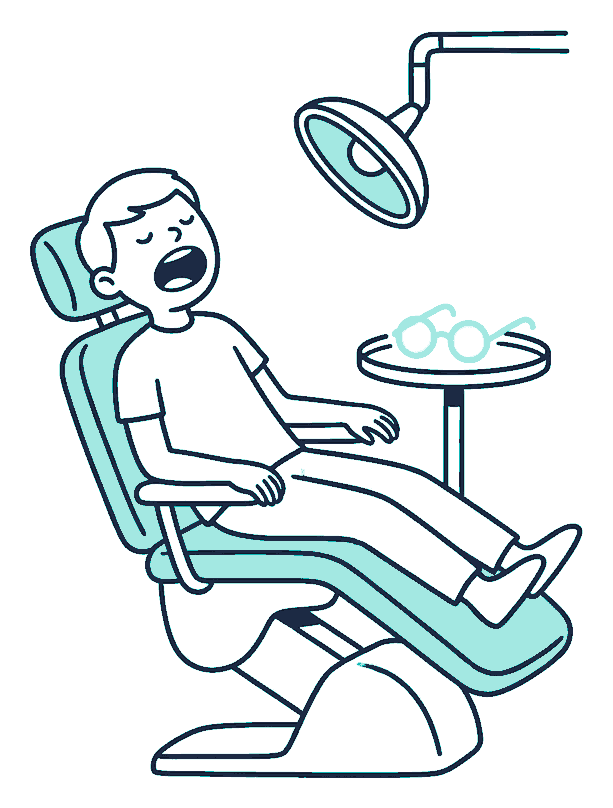
Children in New Zealand get free dental care through the public system until age 18, but orthodontics is excluded, so braces typically cost $6,000 to $10,000 out of pocket. Health plans with dental benefits usually reimburse 50% to 80% of orthodontic costs up to an annual or lifetime limit, and optical benefits cover eye exams, glasses and contact lenses.
Dental
Children receive free dental care through the public system until age 18, but this does not cover:
- Orthodontics (braces, retainers, aligners)
- Cosmetic dental work
- Treatment at private dental practices (unless referred by the School Dental Service)
If your child needs braces, expect to pay $6,000 to $10,000 out of pocket without insurance. Health plans with dental benefits typically reimburse 50% to 80% of orthodontic costs, up to an annual or lifetime limit.
Optical
Children's eye exams are free through the public system, and subsidies are available for glasses in some cases. However, private health insurance can cover:
- Annual eye exams at any optometrist
- Prescription glasses and contact lenses (typically $150 to $300 per year)
- Specialist ophthalmology appointments
For families where multiple children need glasses, the optical benefit can add up to meaningful savings over time.
Tips for Getting the Best Value
Getting the best value from family health cover in New Zealand means starting while parents are young and children are covered free, choosing a $500 or $1,000 excess instead of $250, reviewing cover annually as children grow, comparing providers benefit by benefit, and checking whether your employer offers a subsidised scheme, which can be 10% to 30% cheaper than retail policies.
- Start young. Premiums are lowest when parents are younger, and children are covered free. Locking in cover early also avoids pre-existing condition exclusions.
- Choose a higher excess. Opting for a $500 or $1,000 excess instead of $250 can reduce premiums significantly. You are unlikely to claim for minor expenses anyway.
- Review annually. Your family's needs change as children grow. Review your cover each year to ensure you are not paying for benefits you do not use, or missing cover you now need.
- Compare providers. Do not assume one insurer is cheapest across all cover types. Southern Cross may be best for hospital cover while nib may offer better everyday benefits.
- Check employer schemes. Some employers offer subsidised health insurance for staff and their families. These group schemes can be 10% to 30% cheaper than retail policies.
If you are unsure which combination of cover suits your family, talk to an adviser who can compare options across providers and recommend a plan based on your household's specific needs and budget.
Frequently Asked Questions
Is children's health insurance free in New Zealand?
Most major insurers, including Southern Cross and Partners Life, include dependent children at no additional premium on family hospital and specialist plans. nib charges a small additional premium per child. Public healthcare for children (GP visits to age 13, dental to age 18, and hospital treatment) is free, but private cover provides faster access and wider treatment options.
What age does children's cover stop?
Dependent children are typically covered until age 21, or up to age 25 if they are in full-time tertiary study. After that, they need to arrange their own individual health insurance policy. It is best to transition them before any health conditions develop, as these could become pre-existing condition exclusions on a new policy.
Can I add a new baby to my family health insurance?
Yes. Most insurers allow you to add a newborn to your existing family policy within 30 to 90 days of birth, with cover effective from the date of birth. This means the baby is covered from day one, with no waiting periods for conditions that develop after birth. Contact your insurer as soon as possible after the birth to arrange this.
Is family health insurance tax-deductible in New Zealand?

No. Health insurance premiums are not tax-deductible for individuals in New Zealand. Employers who provide health insurance as a staff benefit may be able to claim it as a business expense, but fringe benefit tax applies. Discuss the specifics with an accountant.
Does family health insurance cover pregnancy and childbirth?
Generally, no. Pregnancy and childbirth are covered by the public system in New Zealand, including midwifery care, hospital delivery, and postnatal care. Some health insurance plans offer a maternity benefit (typically a small cash payment), but private obstetric care is rarely covered comprehensively. If private obstetric care is important to you, check the specific terms before committing to a plan.
How much does family health insurance cost per month?
For a family of two adults (aged 35) and two children, the monthly premium is driven by which of the three cover levels you choose. Hospital-only cover is the cheapest, hospital plus specialist is a modest step up, and comprehensive cover including everyday benefits is the most expensive, with that final step the largest increase for the least financial protection. Actual costs depend on the insurer, plan level, excess, and the parents' ages and health history, so a personalised quote is the only accurate figure.
Can I insure just my children without covering myself?
This is not standard practice. Most insurers require at least one adult policyholder, with children added as dependants. You cannot typically take out a children-only health insurance policy. However, some community health trusts and iwi-based health providers may offer children-specific programmes.
Making the Decision
Family health insurance in New Zealand is not essential for everyone, but for many households it provides meaningful protection against unexpected healthcare costs and long public wait times. The key is to focus your spending where the financial risk is greatest: hospital and specialist cover first, everyday benefits second.
Start by assessing what your family actually uses and what you are likely to need in the coming years. If orthodontics, specialist appointments, or surgical procedures are on the horizon, getting cover in place now, while everyone is healthy, is the smartest move.
Compare family health insurance options through QuoteHub to see what is available for your household.
References
- Financial Markets Authority (FMA), Insurance guidance
- ACC New Zealand
- Sorted.org.nz, Insurance guides
- Insurance & Financial Services Ombudsman (IFSO)
- MoneyHub NZ, Insurance resources
- Cancer Society of New Zealand
- ACC New Zealand, What we cover
- IRD, Income tax rates
- Southern Cross Health Society, "Family Health Insurance Plans," southerncross.co.nz, accessed March 2026.
- nib New Zealand, "Family Health Cover," nib.co.nz, accessed March 2026.
- Partners Life, "Health Insurance Plans," partnerslife.co.nz, accessed March 2026.
- Ministry of Health, "Publicly Funded Health Services for Children," health.govt.nz, accessed March 2026.
- New Zealand Dental Association, "Children's Oral Health Services," nzda.org.nz, accessed March 2026.
- Consumer NZ, "Health Insurance Comparison," consumer.org.nz, accessed March 2026.
Disclaimer: This article is for informational purposes only and does not constitute financial or insurance advice. Financial advice is provided by Craig Smith Business Services Limited, trading as Smiths Insurance & KiwiSaver, a licensed Financial Advice Provider (FSP712931). QuoteHub is a trading name. Health insurance products and pricing change regularly. Always read the full policy wording and consider seeking advice from a licensed financial adviser before making insurance decisions. Information is current as at March 2026.
Read the full insurance guides
Compare your cover with a licensed NZ adviser · free, no obligation.
Explore related pages: Life Insurance, Income Protection, Health Insurance, Trauma Insurance, For Brokers.