Insurance and Pregnancy in NZ: Health Cover, Life Insurance, and What to Know Before Baby Arrives
Pregnancy is one of those life events that prompts people to think seriously about insurance for the first time. Suddenly there is another person to plan for, new medical costs on the horizon, and a household income that may drop for months. Yet the timing of when you arrange cover matters enormously, and many expecting parents discover too late that options are more limited once pregnancy is confirmed.
This guide covers how pregnancy interacts with the main types of personal insurance in New Zealand: health insurance, life insurance, and income protection. We also look at what the public system provides, what private cover adds, and how to get your baby covered from day one.
What the Public System Covers for Pregnancy in NZ
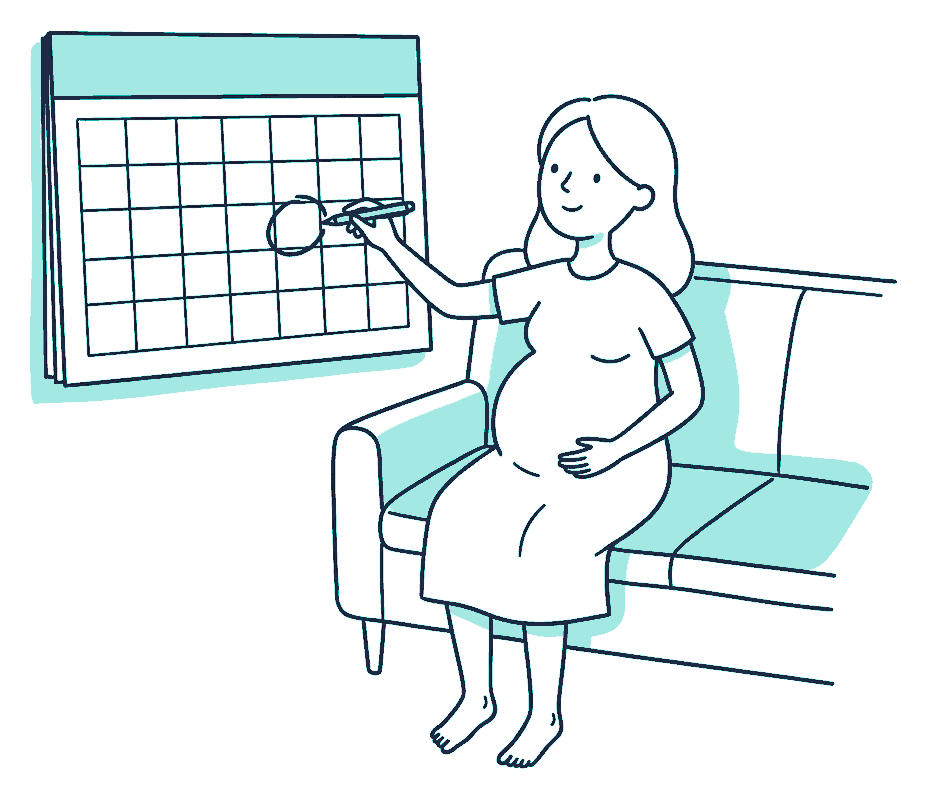
New Zealand's public health system covers maternity care at no cost to residents, including a Lead Maternity Carer funded by the Ministry of Health, antenatal appointments and blood tests, typically two funded ultrasound scans, hospital birth including caesarean sections, and midwife postnatal visits for up to six weeks after birth.
- Lead Maternity Carer (LMC): A registered midwife, GP, or obstetrician who provides your primary pregnancy and birth care, fully funded by the Ministry of Health.
- Antenatal care: Routine appointments, blood tests, urine tests, and standard ultrasounds (typically two funded scans).
- Hospital birth: Delivery in a public hospital or birthing unit, including caesarean sections and emergency interventions.
- Postnatal care: Midwife visits for up to six weeks after birth.
- Specialist referrals: If your pregnancy develops complications, you are referred to a specialist within the public system at no charge.
For a straightforward pregnancy with no complications, the public system covers the essentials well. Many New Zealand families go through pregnancy and birth entirely within the public system without any out-of-pocket costs.
Where the Gaps Appear
The public system is designed around clinical need, not personal preference. This means:
- You cannot choose your obstetrician (you are assigned one if complications arise).
- You may not get a private room after delivery, as it depends on availability.
- Wait times for non-urgent specialist appointments can be lengthy.
- Additional ultrasounds beyond the standard two are not funded unless clinically indicated.
- If you want a private obstetrician managing your entire pregnancy, the cost falls on you.
These gaps are where private health insurance becomes relevant.
Health Insurance and Maternity Benefits
Most comprehensive health insurance plans in New Zealand include maternity benefits, but virtually all NZ health insurers apply a 12-month waiting period, so the policy must be held for at least a year before conception for maternity claims to be eligible. Applying while already pregnant means maternity benefits will not apply to that pregnancy.
The 12-Month Waiting Period
The most critical point: virtually all NZ health insurers impose a 12-month waiting period on maternity benefits. This means you must hold an active policy with maternity cover for at least 12 months before you become pregnant for any maternity claims to be eligible.
If you are already pregnant when you apply for health insurance, maternity benefits will not apply to this pregnancy. The insurer will typically still accept you as a member, but they will exclude all pregnancy-related claims until the waiting period has passed.
This is the single biggest reason to plan ahead. If you are thinking about starting a family in the next year or two, arranging health insurance now is the most effective step you can take.
What Private Maternity Cover Typically Includes
Once you have served the waiting period, maternity benefits generally cover:
| Benefit | What It Covers |
|---|---|
| Private obstetrician fees | Full or partial cover for a specialist managing your pregnancy |
| Private hospital room | A private room for delivery and recovery |
| Pregnancy complications | Hospital treatment for conditions like pre-eclampsia, gestational diabetes, or placenta praevia |
| Caesarean section (elective or emergency) | Surgical delivery in a private hospital |
| Additional ultrasounds and scans | Scans beyond the two funded publicly |
| Newborn complications | NICU or special care for your baby (often covered for the first few weeks) |
What Is Typically Not Covered
- Routine midwifery care (already funded publicly)
- Standard antenatal appointments
- Normal delivery without complications in the public system
- Fertility treatments and IVF (usually a separate benefit with its own waiting period)
- Elective procedures unrelated to medical necessity
Provider Comparison: Maternity Benefits
Maternity benefits vary significantly between insurers. Below is a general comparison of how the main NZ health insurers structure their maternity cover as of early 2026.
| Feature | Comprehensive Plans | Mid-Range Plans | Basic Plans |
|---|---|---|---|
| Maternity benefit included | Yes (most providers) | Sometimes (as an optional extra) | Rarely |
| Waiting period | 12 months | 12 months | 12 months (if available) |
| Private obstetrician cover | Up to $5,000 to $10,000 | Up to $3,000 to $5,000 | Not typically included |
| Private room for delivery | Covered | Covered or partially covered | Not typically included |
| Pregnancy complications | Covered under surgical/hospital benefit | Covered under surgical/hospital benefit | May be limited |
| Newborn cover | 3 to 6 months automatic cover | Varies | Varies |
| Caesarean cover | Fully covered (private hospital) | Fully covered (private hospital) | Public system only |
Because plan structures change regularly, it is worth requesting a current comparison from an adviser. The right plan depends on what matters most to you: obstetrician choice, private room, or complications cover.
The Cost of Private Maternity Care in NZ
Private maternity care in New Zealand carries substantial out-of-pocket costs, with a privately managed pregnancy typically running $5,000 to $12,000 for the obstetrician, $3,000 to $6,000 for a natural delivery in a private hospital and $8,000 to $15,000 for a caesarean, so a family choosing private care can face $10,000 to $25,000 or more overall.
| Service | Approximate Cost (2025/2026) |
|---|---|
| Private obstetrician (full pregnancy management) | $5,000 to $12,000 |
| Private hospital birth (natural delivery) | $3,000 to $6,000 |
| Private hospital birth (caesarean) | $8,000 to $15,000 |
| Additional ultrasound scans (per scan) | $200 to $400 |
| Private postnatal room (per night) | $500 to $1,200 |
| NICU / special care for newborn (per day) | $1,500 to $5,000+ |
For a family choosing a private obstetrician and private hospital birth, the total can range from $10,000 to $25,000 or more, depending on whether a caesarean is required and how long mother and baby stay in hospital.
A comprehensive health insurance plan with maternity benefits is priced on your age, health history and excess level rather than on the pregnancy itself. Across the 12-month waiting period plus the nine months of pregnancy, the premiums a woman in her late 20s to mid-30s pays are typically well short of the $10,000 to $15,000 in maternity benefits she may go on to claim, which is where the financial case sits.
The real value, however, is in the complications cover. A straightforward pregnancy may not generate large claims, but if your baby requires a NICU stay or you develop a serious complication, the costs can escalate rapidly. That is where insurance provides genuine protection.
Compare health insurance options for your family with QuoteHub.
Life Insurance While Pregnant
You can apply for life insurance during pregnancy in New Zealand, because pregnancy itself is not a declinable condition and most NZ life insurers accept applications from pregnant women. Being pregnant does not increase premiums, which are based on age, smoking status, health history and occupation, though complications such as gestational diabetes or pre-eclampsia can trigger a deferral.
Can You Get Life Insurance While Pregnant?
Yes. Most NZ life insurers will accept applications from pregnant women. Pregnancy itself is not a declinable condition. However, there are a few things to be aware of:
- Medical underwriting: Standard health questions still apply. If your pregnancy has complications (such as gestational diabetes or pre-eclampsia), the insurer may defer your application until after delivery, or may add a temporary exclusion.
- Timing of cover: If everything is straightforward, your policy can be issued during pregnancy and will cover you from the start date, including death from any cause.
- Premiums: Being pregnant does not increase your life insurance premiums. Pricing is based on age, smoking status, health history, and occupation, not pregnancy status.
- Deferral for complications: If you have had a previous complicated pregnancy or are currently experiencing complications, the insurer may wait until a few months after delivery to assess your application.
Why Life Insurance Matters More During Pregnancy
Pregnancy is often the trigger for recognising that your family's financial situation would be seriously impacted if something happened to either parent. The numbers are straightforward:
- If the primary earner dies, the family loses its main income source at the exact moment expenses are increasing.
- If the non-earning parent dies, the surviving parent faces substantial childcare costs on top of their grief.
- The financial obligations of a young family (mortgage, living costs, childcare) extend for 18 years or more.

Life insurance provides a tax-free lump sum to cover these obligations. For a deeper look at how much cover new parents typically need, see our guide on how much life insurance new parents need in NZ.
Income Protection and Pregnancy
Income protection insurance pays a monthly benefit of typically 75% of pre-tax income if illness or injury stops you working, but most policies in New Zealand exclude claims arising from normal pregnancy and childbirth, so maternity leave itself cannot be claimed. Genuine complications, such as severe post-natal depression or a difficult delivery recovery, can still qualify.
Maternity Leave Is Usually Excluded
Most income protection policies in New Zealand exclude claims related to normal pregnancy and childbirth. This means you cannot claim income protection benefits during your maternity leave, even though your income has reduced or stopped.
However, income protection does cover pregnancy complications that prevent you from working beyond normal maternity leave. For example:
- Severe post-natal depression requiring extended time off work
- Complications during delivery that result in a longer-than-expected recovery
- A serious pregnancy-related illness that prevents you from returning to work when planned
Applying for Income Protection While Pregnant
You can apply for income protection while pregnant, but the insurer may:
- Exclude pregnancy-related claims for the current pregnancy
- Defer the application until after delivery if there are complications
- Base your cover on your pre-pregnancy income (using an agreed value policy), which is important if you are on parental leave at the time of application
Agreed Value vs Indemnity: A Key Choice for Parents
If you are on parental leave or planning to reduce your hours after baby arrives, the policy structure matters. An agreed value policy locks in your benefit amount at the time of application, based on your income at that point. An indemnity policy assesses your income at the time of claim. If you have reduced your hours or are on leave when you claim, the indemnity benefit may be much lower than expected.
For expecting and new parents, agreed value is generally the better option, and it is worth discussing with an adviser before your income changes.
For more on how income protection works alongside other covers, see our guide on insurance for new parents in NZ.
Timing Your Insurance Applications: Before vs After Pregnancy
The ideal time to arrange insurance in New Zealand is before conception, and health insurance with maternity benefits should be in place at least 12 months before you try to conceive so the waiting period is complete. Life insurance and income protection have no waiting periods, but underwriting is simplest before pregnancy begins.
The Ideal Timeline
| Timeframe | Action |
|---|---|
| 12+ months before trying to conceive | Apply for health insurance with maternity benefits. This ensures the 12-month waiting period is complete before pregnancy. |
| Before conception | Apply for or review life insurance and income protection. No waiting periods for these covers, but underwriting is simplest when you are not pregnant. |
| During pregnancy (first trimester) | If you do not yet have life insurance or income protection, apply now. Most applications proceed normally for uncomplicated pregnancies. |
| During pregnancy (second/third trimester) | Health insurance applications are still accepted, but maternity benefits will not apply to this pregnancy. Life insurance applications may be deferred if complications have developed. |
| After birth | Add baby to your health insurance policy (usually within 3 months for automatic acceptance). Review all cover amounts now that your family has grown. |
What If You Are Already Pregnant and Uninsured?
It is not too late. You will not get maternity benefits from a new health insurance policy for this pregnancy, but you can still:
- Take out health insurance now so you are covered for the next pregnancy and for general health needs going forward.
- Apply for life insurance while your pregnancy is straightforward. Do not wait until complications arise.
- Apply for income protection to cover illness or injury risks unrelated to pregnancy.
- Plan ahead so that for your next pregnancy (if applicable), the maternity waiting period is already served.
Get personalised insurance advice for your growing family with QuoteHub.
Getting Baby onto Your Health Policy
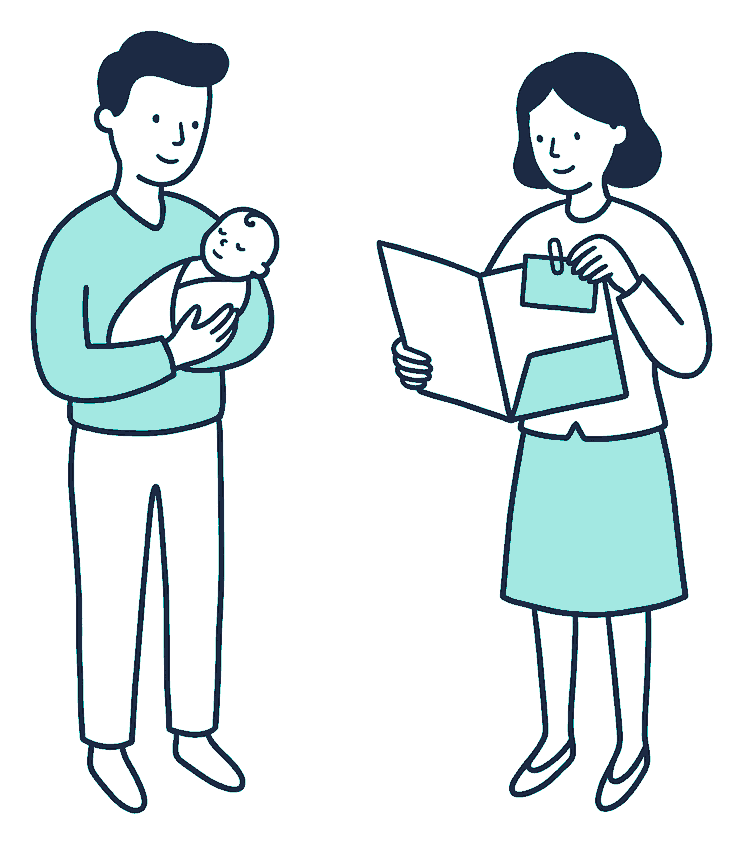
Most New Zealand health insurers cover a newborn automatically from birth for 3 to 6 months, provided at least one parent is on the policy at the time of birth, the policy has been active for at least 12 months, and the baby is added within the specified window, usually 3 months from birth.
Automatic Newborn Cover
Most health insurers provide automatic cover for your newborn from birth, usually for 3 to 6 months, provided:
- At least one parent is on the policy at the time of birth.
- The baby is added to the policy within the specified timeframe (usually 3 months from birth).
- The parent's policy was active for at least 12 months before the birth.
During this automatic cover period, the baby is covered for congenital conditions and birth complications, which is significant because these would normally be excluded as pre-existing conditions if you applied for cover later.
Adding Baby to Your Policy
To formalise baby's cover:
- Contact your insurer within the first few weeks after birth.
- Provide baby's name, date of birth, and any details about birth complications.
- The insurer will add the baby to your policy, usually with no medical underwriting required if done within the automatic acceptance window.
- Your premium will increase to reflect the additional family member.
What If You Miss the Window?
If you do not add your baby within the automatic acceptance period, you can still apply for cover, but the insurer will underwrite the baby individually. This means any conditions identified at birth or in the early weeks may be excluded as pre-existing conditions. The lesson: do not delay.
Pulling It All Together: An Insurance Plan for Expecting Parents
Expecting parents in New Zealand generally get the best result by working through insurance in priority order, starting with health insurance carrying maternity benefits ideally 12 or more months before conception, then life insurance for both parents, then income protection for the primary earner, then adding baby to the health policy within 3 months of birth.
- Health insurance with maternity benefits (ideally 12+ months before conception)
- Life insurance for both parents (apply before or during early pregnancy)
- Income protection for the primary earner (apply before parental leave begins)
- Add baby to health policy within the first 3 months of birth
- Review all cover amounts once baby arrives and your financial picture is clearer
Holding all three covers at once is a meaningful expense during an already expensive life stage, and what it costs a couple in their early 30s depends on both partners' ages, health, occupations and the cover amounts chosen. Pricing the whole stack in a single exercise, rather than adding covers one at a time, is the way to see the real number and decide what to trim if the total is more than the household can carry.
A licensed financial adviser can help you prioritise based on your budget and circumstances, ensuring you get the covers that matter most without overspending. For a broader look at the full insurance picture for new parents, see our new parents insurance guide.
Frequently Asked Questions
Can I get health insurance while pregnant in NZ?

Yes. You can apply for and be accepted onto a health insurance policy while pregnant. However, maternity benefits will not apply to your current pregnancy due to the standard 12-month waiting period. You will be covered for non-pregnancy-related health claims immediately (subject to any other applicable waiting periods), and maternity benefits will be available for future pregnancies once the waiting period has passed.
Does pregnancy affect my life insurance premiums?
No. Life insurance premiums in New Zealand are based on your age, smoking status, health history, and occupation. Being pregnant does not increase your premiums. However, if you develop pregnancy complications, the insurer may defer your application or add temporary exclusions until after delivery.
Can I claim income protection during maternity leave?
Generally, no. Standard income protection policies exclude normal pregnancy and childbirth from their benefit triggers. You cannot claim simply because you are on parental leave. However, if you experience a genuine illness or injury during or after pregnancy that prevents you from working (beyond what would be expected for a normal recovery), you may be able to claim. Examples include severe post-natal depression or serious delivery complications.
How long is the waiting period for maternity cover on health insurance?
The standard waiting period is 12 months across virtually all NZ health insurers. This means you need to have your policy in force for a full year before becoming pregnant for maternity benefits to apply. Some insurers measure the waiting period from the policy start date to the date of conception, while others measure to the date of claim. Check the specific wording with your insurer or adviser.
Is pregnancy a pre-existing condition for insurance purposes?
If you are already pregnant when you apply for health insurance, the current pregnancy will be treated as a pre-existing condition and excluded from maternity benefit claims. However, pregnancy itself is not a condition that prevents you from obtaining insurance. You can still get life insurance, income protection, and health insurance while pregnant, with the pregnancy-specific limitations noted above.
When should I add my baby to my health insurance?
As soon as possible after birth, and ideally within the first 3 months. Most insurers offer automatic acceptance for newborns during this window, which means your baby can be covered without individual medical underwriting. This is particularly important if your baby has any health issues identified at birth, as adding them within the window means those conditions are covered rather than excluded.
Financial advice is provided by Craig Smith Business Services Limited, trading as Smiths Insurance & KiwiSaver, a licensed Financial Advice Provider (FSP712931). QuoteHub is a trading name. The information in this article is general in nature and does not constitute personalised financial advice. We recommend speaking with a licensed financial adviser to discuss your specific circumstances. Premium figures and costs are indicative only and may vary by insurer, individual risk profile, and policy structure.
References
- Financial Markets Authority (FMA), Insurance guidance
- ACC New Zealand
- Sorted.org.nz, Insurance guides
- Insurance & Financial Services Ombudsman (IFSO)
- MoneyHub NZ, Insurance resources
- Diabetes New Zealand
- Mental Health Foundation NZ
- ACC New Zealand, What we cover
Read the full insurance guides
Compare your cover with a licensed NZ adviser · free, no obligation.
Explore related pages: Life Insurance, Income Protection, Health Insurance, Trauma Insurance, Free Will.