What Insurance Do I Need in NZ? A Decision Framework
New Zealand's ACC system gives us better injury cover than most countries. But ACC only covers accidents. It does not cover illness, and it does not pay out a lump sum if you die or are diagnosed with cancer. That leaves significant gaps that most Kiwis need to fill with personal insurance.
The problem is that insurance can feel overwhelming. There are multiple cover types, dozens of options within each type, and no shortage of opinions about what you "should" have. The result is that many New Zealanders either buy too much cover they do not need, too little cover in the wrong areas, or avoid the decision altogether.
This guide provides a structured framework to help you work out exactly which types of insurance you need based on your actual situation, not generic advice.

The Six Main Types of Personal Insurance in NZ
New Zealand has six core personal insurance products: life insurance, income protection, trauma or critical illness cover, total and permanent disability cover, health insurance, and mortgage protection. Life insurance pays a lump sum on death or terminal illness, income protection replaces up to 75% of income when illness or injury stops you working, and trauma pays on specified serious diagnoses.
Life insurance
Pays a lump sum to your beneficiaries if you die or are diagnosed with a terminal illness. The purpose is to replace your financial contribution to your household, repay debts, and provide for dependants.
You need this if: you have a partner, children, or anyone who depends on your income. You also need it if you have a mortgage or debts that would fall on someone else.
Income protection insurance
Replaces up to 75% of your income if you cannot work due to illness or injury. Payments continue monthly until you recover, reach a specified age, or exhaust the benefit period.
You need this if: you earn an income and rely on it to pay your bills. This applies to employees, self-employed workers, and contractors. If you stopped earning tomorrow, income protection is the cover that keeps your household running. Learn more in our income protection comparison guide.
Trauma insurance (critical illness)
Pays a lump sum if you are diagnosed with a specified serious illness such as cancer, heart attack, stroke, or major organ failure. The money is yours to use however you choose.
You need this if: you want a financial buffer to cover medical costs, mortgage payments, or lifestyle adjustments during a serious health event. Trauma cover fills the gap between what your health insurance pays for treatment and the financial impact on your wider life.
Total and permanent disability (TPD) insurance
Pays a lump sum if you become totally and permanently disabled and can no longer work in any occupation (or your own occupation, depending on the policy definition).
You need this if: you want a safety net for the worst-case scenario where you can never return to work. TPD is often added to a life insurance policy as a combined benefit. Read our TPD insurance guide for a detailed breakdown.
Health insurance
Covers the cost of private medical treatment, including specialist consultations, diagnostic tests, surgery, and hospital stays. Gives you faster access to care than the public system.
You need this if: you value timely access to medical treatment, have a family history of health conditions, or want to avoid public hospital waiting lists that can stretch to months or years for non-urgent procedures.
Mortgage protection insurance
A specific form of cover (usually life insurance or income protection) that is linked to your mortgage. If you die, become disabled, or lose your income, the policy pays your mortgage directly or provides a lump sum to clear the debt.
You need this if: you have a mortgage and want certainty that your family can keep the home if something happens to you. Our mortgage protection calculator guide can help you estimate how much cover you need.
What ACC Already Covers (and What It Does Not)

ACC in New Zealand covers accidents only, paying medical treatment costs, weekly compensation at 80% of pre-injury earnings, lump sums for permanent impairment, and funeral grants of up to $6,457.02. ACC pays nothing for illness of any kind, no income replacement for non-accident causes, and no death benefit if you die from a disease.
ACC covers:
- Medical treatment costs for accidents (doctor visits, surgery, rehabilitation)
- Weekly compensation at 80% of your pre-injury earnings if an accident stops you from working
- Lump sum payments for permanent impairment caused by an accident
- Funeral grants (currently up to $6,457.02)
ACC does not cover:
- Illness of any kind. If you are diagnosed with cancer, suffer a heart attack, or develop a chronic condition, ACC provides nothing
- Loss of income due to illness. If you cannot work because of depression, a back condition, or any non-accident cause, ACC does not pay weekly compensation
- Death from illness. If you die from a disease, there is no ACC payout for your family
- Private medical treatment. ACC covers treatment costs for accidents only, and only through approved providers
- Full income replacement. Even for accidents, ACC usually pays up to 80% of your pre-injury income, capped at a maximum level of liable earnings (ACC, calculating weekly compensation, retrieved 18 August 2026)
The gap is clear. ACC protects you if you fall off a ladder. It does not protect you if you are diagnosed with cancer, have a stroke, or develop a condition that stops you from working. Personal insurance fills that gap.
The Decision Framework: Five Questions to Ask Yourself
Five questions decide which personal insurance a New Zealander actually needs: does your household depend on your income, does anyone depend on you financially, do you have a mortgage or significant debts, could you financially survive a serious illness, and are you comfortable relying on the public health system. Each yes points to a specific cover type.
Question 1: Do you earn an income that your household depends on?
If yes, income protection should be your first priority. Your ability to earn is your most valuable financial asset. A 30-year-old earning $80,000 per year will earn over $2,800,000 by retirement. Protecting even a portion of that income stream is more important than almost any other type of cover.
If no (you are retired, financially independent, or do not need to work), income protection is not relevant.
Question 2: Does anyone depend on you financially?
If yes, life insurance is essential. This includes a partner who relies on your income, children, or anyone who would face financial hardship if you died. The sum insured should reflect your debts, your income replacement needs, and any specific goals (such as funding children's education).
If no, life insurance is a lower priority. You may still want a small policy to cover funeral costs and any debts.
Question 3: Do you have a mortgage or significant debts?
If yes, you need enough life insurance (at minimum) to clear those debts. Many people also add mortgage protection or income protection to ensure mortgage payments continue if they cannot work.
If no, this factor does not drive your insurance needs, but you should still consider other cover types.
Question 4: Could you financially survive a serious illness?
If a cancer diagnosis, heart attack, or stroke would put you under severe financial pressure, trauma insurance is worth considering. Treatment costs, time off work, travel to specialists, and lifestyle adjustments all add up. Trauma cover provides a lump sum to manage those costs without draining your savings.
If you have substantial savings or other resources to draw on, trauma cover is less critical but still worth evaluating.
Question 5: Are you comfortable relying on the public health system?
If yes, you may not need health insurance immediately. The public system provides good emergency and acute care.
If no, or if you have a family history of conditions requiring specialist treatment, health insurance gives you faster access and more control over your care. Public waiting lists for non-urgent surgery can exceed 12 months in many regions.
Insurance by Life Stage: What to Prioritise When
Insurance priorities in New Zealand shift with life stage. In your 20s and single, income protection ranks high and life cover low. Couples in their 30s need both life cover and income protection. Families in their 40s hit peak responsibility across all five cover types. From the 60s, health insurance becomes the dominant need.
| Life Stage | Life Insurance | Income Protection | Trauma | Health | TPD | Key Drivers |
|---|---|---|---|---|---|---|
| Single, 20s | Low priority | High priority | Nice to have | Optional | Low priority | Protecting your income while premiums are cheap. Locking in cover before health changes. |
| Couple, 30s | High priority | High priority | Moderate priority | Moderate priority | Moderate priority | Shared mortgage, dual income reliance, planning for children. |
| Family, 40s | Essential | Essential | High priority | High priority | High priority | Peak responsibility. Mortgage, dependants, school costs, and higher health risk. |
| Pre-retirement, 50s | Moderate priority | Moderate priority | Moderate priority | High priority | Lower priority | Mortgage reducing, children becoming independent. Health risks increasing. |
| Retired, 60s+ | Lower priority | Not applicable | Lower priority | High priority | Not applicable | Income no longer the main concern. Health insurance becomes the dominant need. Funeral cover may be relevant. |
These are general guidelines. Your specific situation may differ. A single 25-year-old with a mortgage has different needs from a 25-year-old flatting with no debt.
Priority Ranking by Budget
Personal insurance in New Zealand should be built from the foundation up, whatever the budget. Income protection and life insurance form the base, with a longer stand-down period of 8 or 13 weeks used to reduce cost on a tight budget. Trauma cover, health insurance and TPD are added as budget allows, in that order.
Tight budget
Focus on the single biggest risk to your financial stability.
- Income protection with a longer stand-down period (8 or 13 weeks instead of 4 weeks) to reduce premiums
- Life insurance at a level that covers your mortgage and immediate debts only
At this level, you are covering the catastrophic scenarios: you cannot work, or you die with debts outstanding.
Moderate budget
Add cover for serious illness and broaden your protection.
- Income protection with a shorter stand-down period (4 weeks)
- Life insurance covering mortgage, debts, and 3 to 5 years of income replacement
- Trauma insurance at $50,000 to $100,000 to provide a buffer for a serious diagnosis
Comprehensive budget
Build a complete safety net.
- Income protection to age 65, 4-week stand-down
- Life insurance covering mortgage, debts, 5 to 10 years of income replacement, and children's education
- Trauma insurance at $100,000 to $200,000
- Health insurance with specialist and surgical cover
- TPD insurance as an add-on to your life cover
The key principle is to build from the foundation up. Income protection and life insurance form the base. Trauma, health, and TPD are added as budget allows.
Common Mistakes to Avoid
Five mistakes recur when New Zealanders choose personal insurance: over-insuring in the wrong areas, such as holding $1,000,000 of life cover with no income protection, under-insuring to save money, ignoring income protection entirely, not reviewing cover every two to three years, and buying bank or lender mortgage insurance without comparing alternatives.
Over-insuring in the wrong areas
Some people take out $1,000,000 of life insurance but have no income protection. If you are seriously ill and cannot work for two years, life insurance does not help. It only pays out if you die. Balance your cover across the risks that are most likely, not just the most dramatic.
Under-insuring to save money
Cutting your life insurance to $100,000 when your mortgage alone is $500,000 creates a false sense of security. If you need to reduce costs, adjust the policy structure (longer stand-down periods, shorter benefit periods) rather than simply reducing the sum insured to an inadequate level.
Ignoring income protection
Income protection is the most underutilised cover type in New Zealand, yet it addresses the most common risk. You are far more likely to be unable to work for three months due to illness than you are to die during your working years. Income protection should be the first cover most working Kiwis consider.
Not reviewing cover regularly
Insurance that was right for you five years ago may not be right today. A new mortgage, a new child, a salary increase, or a change in relationship status all affect your insurance needs. Review your cover at least every two to three years, or after any major life event.
Buying bank or lender insurance without comparing
Mortgage protection insurance offered by your bank at the time of lending is convenient, but it is often more expensive and less flexible than cover arranged through a licensed financial adviser. Always compare before committing. Our life insurance comparison guide covers this in more detail.
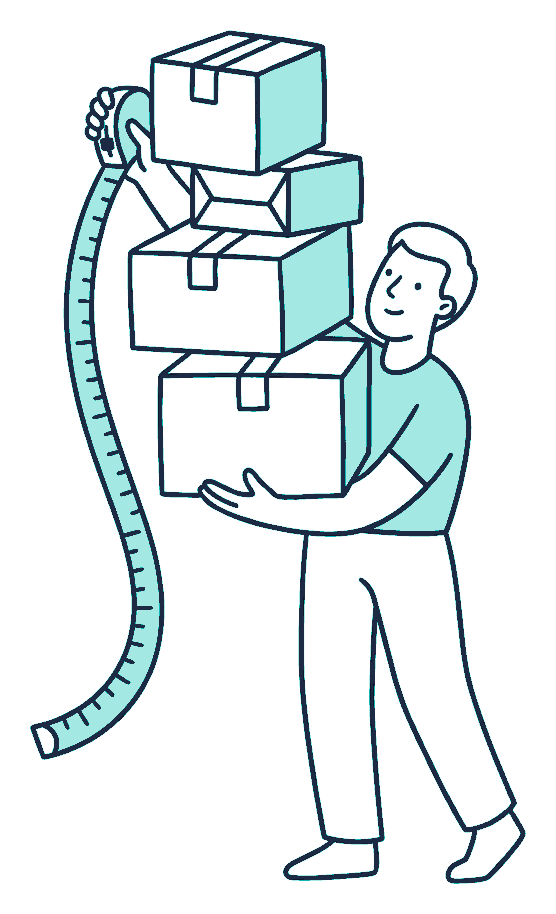
How to Work Out How Much Cover You Need
Each cover type in New Zealand is sized differently. Life insurance adds your mortgage, other debts, future costs and funeral costs, less existing savings and assets. Income protection replaces up to 75% of gross income, with a benefit period of 2 years, 5 years or to age 65. Trauma cover of $50,000 to $200,000 is typical.
Life insurance: Add up your mortgage balance, other debts, future costs you want to fund (children's education, partner's living expenses for a set number of years), and funeral costs. Subtract any existing savings or assets. The result is your indicative sum insured.
Income protection: Most policies replace up to 75% of your gross income. Choose a benefit period (2 years, 5 years, or to age 65) and a stand-down period (4 weeks, 8 weeks, or 13 weeks). Longer stand-down periods reduce premiums significantly.
Trauma insurance: Consider what you would need to cover 6 to 12 months of expenses, plus any medical costs not covered by health insurance. A sum insured of $50,000 to $200,000 is typical for most New Zealanders.
Health insurance: Choose between base hospital cover (surgery and in-hospital treatment) and comprehensive cover (which adds specialists, tests, dental, and optical). Your choice depends on your health profile and what the public system does not cover quickly enough in your region.
If you want personalised guidance, our free cover check takes five minutes and gives you a clear picture of what cover suits your situation, with no obligation.
Next Steps
The best time to review your insurance is now. Whether you currently have no cover, a single policy, or a full suite of insurance, a structured review ensures your cover matches your actual needs.
QuoteHub offers a free, no-obligation cover check. You answer a few questions about your situation, and our licensed advisers provide a personalised recommendation based on your life stage, responsibilities, and budget.
Get your free cover check here. It takes five minutes and there is no pressure to buy anything.
Frequently Asked Questions
What insurance should I get first in NZ?
For most working New Zealanders, income protection should be the first priority. Your income funds everything else in your life, and the risk of being unable to work due to illness is higher than most people expect. If you also have dependants or a mortgage, life insurance should be added alongside income protection.
Do I need insurance if I am young and healthy?
Being young and healthy is actually the best reason to get insurance, not a reason to avoid it. Premiums are lowest when you are young, and you can lock in cover before any health conditions develop that might result in exclusions or higher premiums later.
Is ACC enough insurance in New Zealand?
No. ACC covers accidents only. It does not cover illness, disease, or non-accident-related conditions. If you develop cancer, have a heart attack, or experience mental health issues that prevent you from working, ACC provides no financial support. Personal insurance covers the gaps that ACC leaves open.
How much does personal insurance cost in NZ?
Costs vary significantly based on your age, health, smoking status, occupation, and the type and amount of cover. The biggest levers are your age at application, whether you smoke, the sum insured, and on income protection the stand-down and benefit periods you select. A base of income protection plus life insurance is the cheapest useful combination, and layering trauma and health cover on top increases the total materially, which is why most people build up in stages as budget allows. The only way to get an accurate figure is to get a personalised quote based on your circumstances.
Can I get insurance with a pre-existing condition?
Yes, in many cases. Insurers assess pre-existing conditions individually. Depending on the condition, you may receive standard cover, cover with an exclusion for that condition, cover with a premium loading, or in some cases, a decline. A licensed financial adviser can help you find the best outcome by understanding which insurers are more favourable for your specific situation. Read our guide on insurance with pre-existing conditions for more detail.
How often should I review my insurance?
At least every two to three years, and after any major life event such as buying a home, having a child, changing jobs, getting a pay rise, or separating from a partner. Your insurance should reflect your current life, not the life you had when you first took out the policy.
Financial advice is provided by Craig Smith Business Services Limited, trading as Smiths Insurance & KiwiSaver, a licensed Financial Advice Provider (FSP712931). QuoteHub is a trading name. The information in this article is general in nature and does not constitute personalised financial advice. We recommend speaking with a licensed financial adviser before making insurance decisions. QuoteHub may receive commissions from insurers when policies are placed through our service.
References
- Financial Markets Authority (FMA), Insurance guidance
- ACC New Zealand
- ACC, Calculating weekly compensation for employees
- Sorted.org.nz, Insurance guides
- Insurance & Financial Services Ombudsman (IFSO)
- MoneyHub NZ, Insurance resources
- Cancer Society of New Zealand
- Heart Foundation NZ
- Mental Health Foundation NZ
Read the full insurance guides
Compare your cover with a licensed NZ adviser · free, no obligation.
Explore related pages: Life Insurance, Income Protection, Health Insurance, Trauma Insurance, How Were Paid.