Life Insurance for Singles in NZ: Do You Actually Need It?
Yes, most single New Zealanders benefit from some life insurance, but usually for different reasons than someone with a partner or children. Without a dependant left short of income, a single person's cover mainly clears sole and co-signed debts, funds a funeral, and protects a solo business, and only 41% of New Zealanders currently hold a policy at all (Financial Services Council, December 2024). A healthy single 30-year-old can buy $250,000 of stepped cover from about $15 to $20 a month, indicative monthly cost from insurers' published rate cards as at 8 September 2026, per the QuoteHub Premium Index, which tracks insurers including Partners Life. With no one else's income at stake, trauma cover and income protection usually matter more day to day, and a licensed adviser can weigh all three against your debts.
In short
- Only 41% of New Zealanders hold a life insurance policy (Financial Services Council, December 2024).
- A NZ student loan is written off to zero on death under the Student Loan Scheme Act 2011, but a sole-name credit card or personal loan is paid from your estate instead (Citizens Advice Bureau).
- A full NZ funeral now averages $11,700 for a cremation and $14,300 for a burial (FDANZ, 2026 Industry Trends Report).
- A single 30-year-old non-smoking man can buy $500,000 of stepped cover from about $30 to $35 a month, indicative monthly cost from insurers' published rate cards as at 8 September 2026, QuoteHub Premium Index, including Fidelity Life.
Being single is often treated as a reason to skip life insurance, on the assumption that cover only replaces a partner's income. New Zealand's 2023 Census counted 389,352 people, 8.5% of everyone living in a household, living alone (Stats NZ, 7 November 2024), and many still carry a mortgage, a co-signed loan, a business built alone, or a funeral bill someone else will have to pay.

Does a single person actually need life insurance in NZ?
A single person needs life insurance in rough proportion to the debts, guarantees and funeral costs they would leave behind, not to whether they have a partner or children. Ask two questions: would anyone else be left owing money because of you, and would your funeral and bills be paid from an estate that might not cover them? For anyone with a mortgage, a car loan, or a loan a parent guaranteed for them, the answer is usually yes, and the cover needed is normally smaller than the income-replacement sum a parent buys.
What debts does a single person leave behind in NZ?
| Debt | What happens when you die | Source |
|---|---|---|
| Sole mortgage | Paid from the estate; the home may need to be sold if the estate can't cover it | Pier Law |
| Credit cards, personal loans, hire purchase (sole name) | Paid from the estate; beneficiaries inherit less but aren't personally chased | Citizens Advice Bureau |
| Student loan | Written off to zero in full | Student Loan Scheme Act 2011, s197 |
| Joint mortgage or loan (partner, flatmate, family) | Becomes the survivor's sole responsibility | Pier Law |
The student loan is the one debt written off automatically: 1,787 New Zealanders died owing one in the 2024 financial year, and Inland Revenue wrote off $28.8 million, roughly triple the 2014 figure (Newsroom, 13 January 2025). Every other debt sits with the estate first, and a guarantor's own accrued liability also becomes a debt of their estate (Consumer Protection, Trust eSpeaking), which matters for singles often asked to guarantee family lending. See debt when someone dies in NZ; a mortgage protection plan can also be tied to a home loan.
How much does a funeral cost in NZ, and who pays without life insurance?
A full funeral, around 50 guests with a celebrant and mid-price casket, averaged $11,700 for a cremation and $14,300 for a burial in FDANZ's 2026 Industry Trends Report; an unattended cremation averaged $4,700 (FDANZ, 2026). Without savings or life insurance, that cost falls to your estate.
| State funeral grant | Amount | Who qualifies | Source |
|---|---|---|---|
| ACC funeral grant | Up to $8,236.40, no means test | Death caused by an ACC-covered accident only | ACC |
| Work and Income Funeral Grant | Up to $2,697.43, tested against the estate | Any death, if the estate can't pay | Work and Income |
The two grants sit roughly $5,500 apart, and the larger one only applies to an ACC-covered accident, not illness (ACC). Most single people fall back on the smaller Work and Income grant, well under the FDANZ average, which is why funeral cover built into a life policy closes a real gap. See paying for a funeral in NZ.
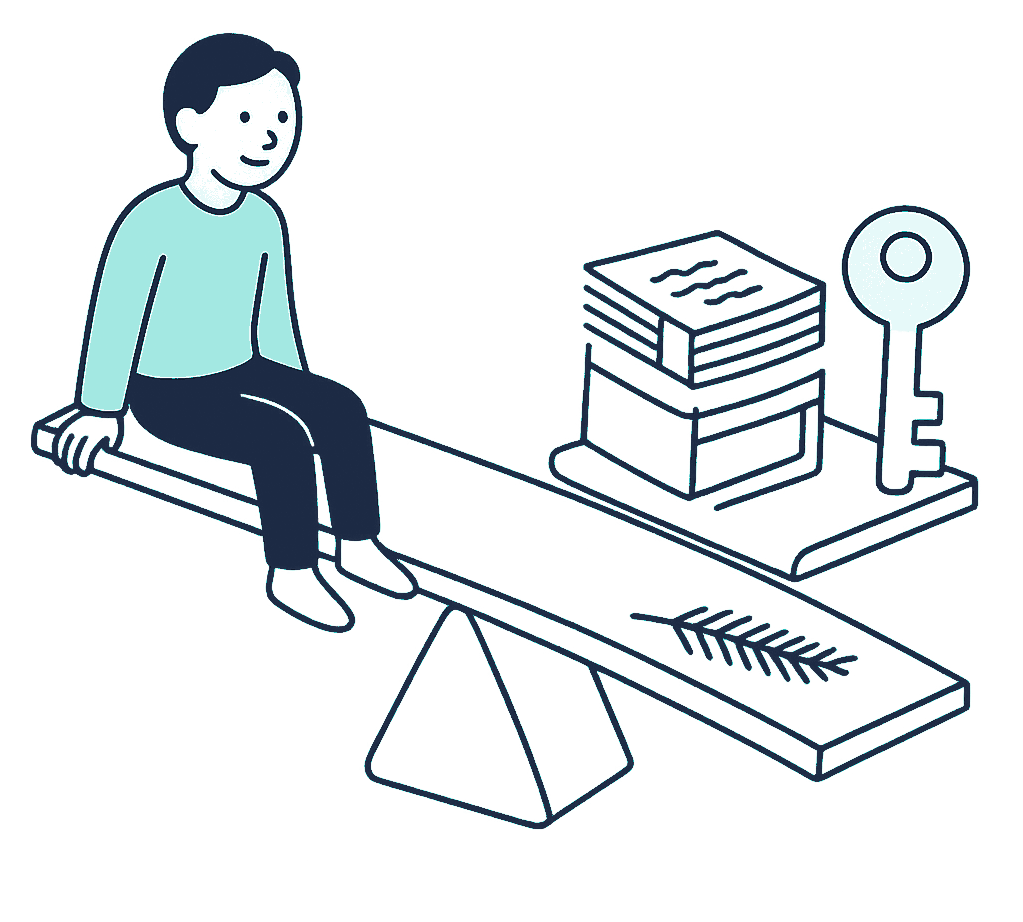
Why does trauma cover matter more than life cover when you're single?
Life insurance pays a beneficiary after you die; trauma cover pays you a lump sum while you're still alive, on diagnosis of cancer, a heart attack or a stroke, exactly the risk a single person is least protected against by default. With no partner's income to fall back on, surviving a serious illness is the bigger day-to-day risk.
| Age | Non-smoking woman | Non-smoking man |
|---|---|---|
| 30 | about $20 to $25 | about $20 to $25 |
| 40 | about $35 to $40 | about $35 to $40 |
$100,000 trauma cover, rounded from a panel of insurers QuoteHub tracks monthly, including Fidelity Life and Asteron Life, as at 8 September 2026. Indicative, before underwriting.
Trauma premiums climb faster than life premiums with age, since diagnosis risk rises faster than mortality risk through your 30s and 40s. See life vs trauma insurance and trauma cover cost by age.
Why does income protection often matter more than life insurance for singles?
Income protection replaces income while you're too unwell to work, the most exposed part of a single household with no second income. ACC covers accidents only, not illness, so a single person off work for months with cancer gets nothing from ACC (ACC), and life insurance does nothing here either, since it only pays after death. See whether you need income protection and income protection cost by profile.
What does life insurance cost for a single 30- or 40-year-old in NZ?
A single person typically needs less cover than someone with dependants, sized to debts and funeral costs rather than years of income. $250,000 to $500,000 suits a mortgage or personal debt; $1,000,000 suits someone also covering a business. Figures below come from a named panel of five insurers QuoteHub tracks monthly, not every insurer trading in New Zealand.
| Age | Female, non-smoker | Male, non-smoker |
|---|---|---|
| 30 | about $15 to $20 | about $20 to $25 |
| 40 | about $20 to $25 | about $25 to $30 |
$250,000 life cover, rounded from a panel of insurers QuoteHub tracks monthly: AIA, Asteron Life, Chubb Life, Fidelity Life, Partners Life, as at 8 September 2026. Stepped, occupation class 1, indicative only.
| Age | Female, non-smoker | Female, smoker | Male, non-smoker | Male, smoker |
|---|---|---|---|---|
| 30 | about $20 to $25 | about $35 to $40 | about $30 to $35 | about $50 to $60 |
| 40 | about $35 to $40 | about $60 to $70 | about $40 to $45 | about $90 to $100 |
$500,000 life cover, rounded from a panel of insurers QuoteHub tracks monthly, including Fidelity Life and AIA, as at 8 September 2026. At $1,000,000, the same 30-year-old woman starts from about $35 to $40 a month and a man from about $50 to $60 a month, rising to about $50 to $60 a month and $70 to $80 a month at 40, from the same panel including AIA and Fidelity Life.
| Insurer | Financial strength rating | Source |
|---|---|---|
| AIA New Zealand | AA (Very Strong), Fitch | AIA |
| Partners Life | A (Excellent), AM Best, eff. 5 Feb 2026 | Partners Life |
| Chubb Life NZ | A (Excellent), AM Best | Chubb Life |
| Asteron Life | A+ (Strong), Fitch | Asteron Life |
| Fidelity Life | A- (Excellent), AM Best, 30th year Mar 2026 | Fidelity Life |
All five are licensed on the Reserve Bank's register of licensed insurers. Price and financial strength rating don't always move together across the panel, so it pays to check both rather than price alone. Full age-by-age figures live in cost at 30 and at 40.
What if you're self-employed or run your own business as a single person?
With no co-owner to inherit and run the business, two covers fill the gap. Key person cover pays the business a lump sum to fund a replacement or repay debt; a buy-sell agreement lets a co-owner buy your share from your estate at an agreed value. See self-employed insurance and starting a business checklist; cover for the business sits under business protection.
Should you buy now to lock in future insurability?
Buying young, healthy and single locks in today's lower stepped rate and underwriting outcome, before a future health issue can affect either. Many policies include a future insurability option, letting you increase cover later at life events like marriage or a new mortgage without fresh medicals; Resolution Life, which owns Asteron Life, describes this as automatically increasing cover at a "life trigger" event, within set limits (Resolution Life NZ). Waiting has a cost even if your health never changes, since delay locks in a higher stepped rate. See the cost of waiting and how underwriting works; outcomes vary by insurer and case.
Frequently Asked Questions
Do I need life insurance if I have no partner or children?
Possibly, if you have a mortgage, a guaranteed loan, or want your funeral covered. The amount is usually smaller than a parent's, but those costs don't disappear because you're single.
How much life cover does a single person actually need in NZ?
Most single New Zealanders size cover to their debts plus funeral costs, often $100,000 to $500,000, rather than years of income replacement.
Does ACC cover me if I get sick and can't work?
No. ACC covers accidents only, not illness, which is where income protection and trauma cover fill the gap.
Who gets my life insurance payout if I'm single with no will?
A named beneficiary is paid directly; a policy with no beneficiary pays into your estate and follows intestacy rules with no will. See who gets your payout and dying without a will in NZ.
Can I get life insurance to cover a loan I've guaranteed for someone else?
Yes. An adviser can size a policy against the guarantee specifically, so it doesn't fall on your estate if the borrower defaults after you die.
Talk to a Licensed Adviser
A licensed adviser can review your debts, guarantees and income, then recommend how much life, trauma and income cover fits, with no obligation to buy. Talk to a QuoteHub licensed adviser about life insurance or income protection.
Financial advice is provided by Craig Smith Business Services Limited, trading as Smiths Insurance & KiwiSaver, a licensed Financial Advice Provider (FSP712931). QuoteHub is a trading name.
References
- Financial Services Council, underinsurance research, Dec 2024
- Stats NZ, 2023 Census household highlights
- FDANZ, 2026 Industry Trends Report
- NZ Legislation, Student Loan Scheme Act 2011, s197
- Newsroom, student loans written off at death
- Citizens Advice Bureau, debt after death
- Pier Law, debts when you die
- Consumer Protection, Guarantors
- Trust eSpeaking, Estates and guarantees
- ACC, injuries we don't cover
- ACC, financial support after a fatal injury
- Work and Income, Bereavement
- Resolution Life NZ, future insurability
- AIA, financial strength rating
- Partners Life, solvency and financial strength
- Fidelity Life, our financial strength
- Asteron Life, financial strength
- Chubb Life NZ, financial strength
- RBNZ, register of licensed insurers
Read the full insurance guides
Compare your cover with a licensed NZ adviser · free, no obligation.
Explore related pages: Life Insurance, Income Protection, Health Insurance, Trauma Insurance, How It Works.