What does insurance excess mean in NZ, and how does it work?
An excess is the part of a claim you pay yourself before the insurer pays the rest. A higher one can lower the premium but costs more on claim day. Source
QuoteHub is a Tower partner. Smiths Insurance & KiwiSaver may receive a commission if you buy. General information, not advice.
Read the full answer
An excess is the part of a claim, in dollars, that you are responsible for paying. The Insurance Council of New Zealand (ICNZ) says it is sometimes called a "deductible" because it is deducted from what your insurer pays (ICNZ Consumer Guide: Excesses).
In ICNZ's example, a $300 excess on a $1,000 repair means you pay $300 and the insurer pays the remaining $700 (ICNZ). The same idea applies to house, contents, car and boat policies, with different amounts and rules.
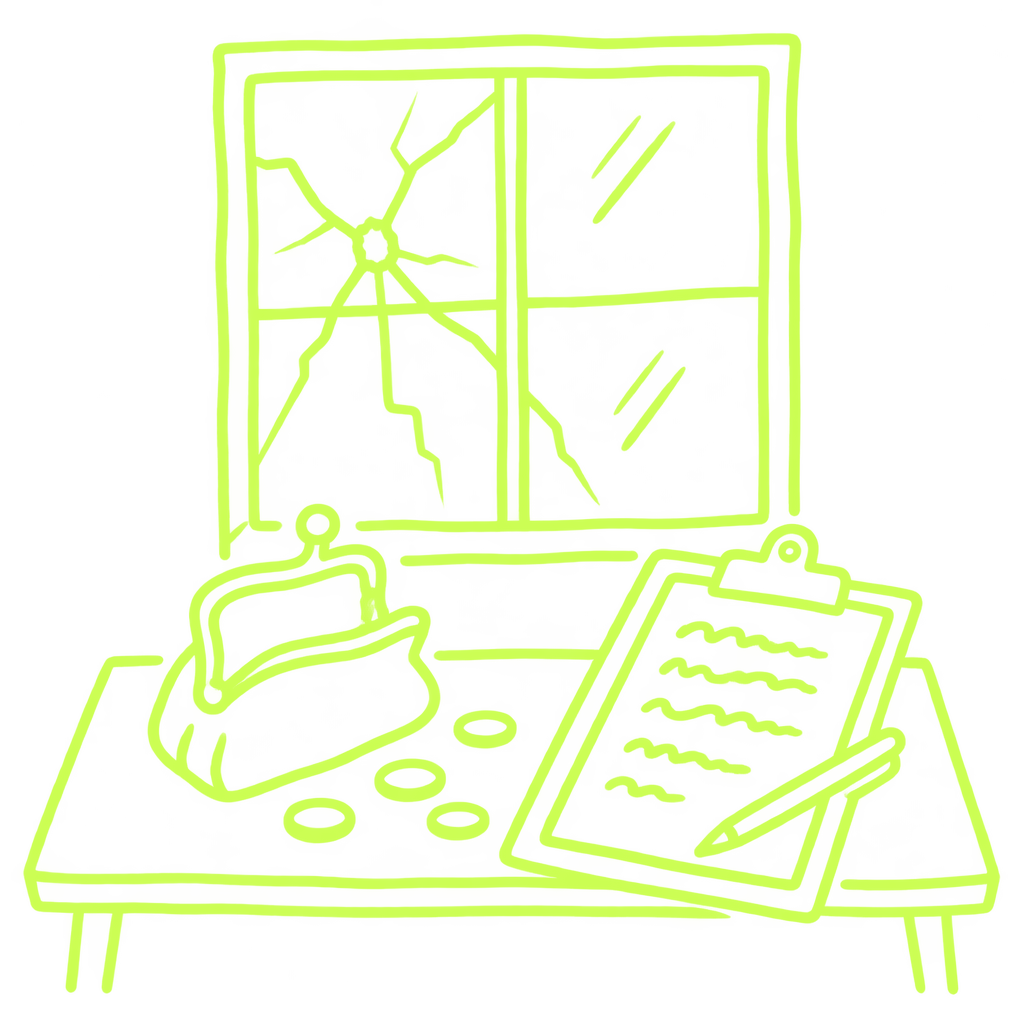
How an excess works on a claim
The insurer deducts the excess from the claim and pays what is left, up to the policy's limits. On ICNZ's $1,000 repair example, a $300 excess means you pay $300 and the insurer pays $700; an $800 excess leaves the insurer paying $200 (ICNZ).
Read moreShow less
| Excess on a $1,000 repair | You pay | Insurer pays |
|---|---|---|
| $300 | $300 | $700 (ICNZ) |
| $800 | $800 | $200 (ICNZ) |
| $1,000 | $1,000 | $0 (ICNZ) |
In the last row the claim is not higher than the excess, so nothing is paid.
Tower's wordings use the same rule. The excess applies to each event that results in a claim, and if loss happens on several occasions, an excess applies to each one (Tower house wording). Your excess and any additional excesses are listed on your certificate of insurance, so that document is the one to read.
Standard, voluntary and imposed excess
ICNZ describes three kinds. The standard excess is the minimum the insurer sets. A voluntary excess is a higher one you choose, added onto the standard. An imposed excess is a higher one the insurer chooses because it sees extra risk. What you pay can be more than the standard amount alone.
Read moreShow less
| Kind | What it is | Who sets it |
|---|---|---|
| Standard excess | The minimum the insurer sets, listed in your policy documents. It can differ by type of claim (ICNZ). Tower's standard house excess starts at $400 (Tower). | The insurer |
| Voluntary excess | A higher excess you choose, added onto the standard one. It can reduce your premiums, and you arrange it before you claim (ICNZ). | You |
| Imposed excess | A higher excess the insurer chooses, usually when it sees higher-than-normal risk, such as an expensive after-market accessory or a poor claims history (ICNZ). | The insurer |
A related type is the graduated excess, which changes with the circumstances of the claim. ICNZ's example is a young driver's at-fault claim carrying a higher excess than the same claim by an older driver. Tower's wordings use additional excesses in similar situations, and a benefit's additional excess applies above the other excess on your certificate.
Extra excesses to look for in the wording
Besides the headline excess, Tower's wordings add specific excesses for particular situations, such as a long-unoccupied house, natural hazard damage to a fence, or a young driver, and they differ by cover. The table gives examples from the current wordings, not a full list.
Read moreShow less
| Cover | Situation | Excess effect |
|---|---|---|
| House | House unoccupied for more than 90 consecutive days (not applied to a house declared as a holiday home) | $1,000 extra (Tower house wording) |
| House | Natural hazard damage to a driveway, path, fence or swimming pool | $5,000 extra (Tower house wording) |
| Contents | Prescription glasses and contact lenses, Plus and Premium levels | $100 reduced excess (Tower) |
| Car | Inexperienced driver, international licence holder (with some exceptions), or an underwriting excess | Additional excess, amount on your certificate (Tower car wording) |
| Boat | Boat in the care of someone under 25, or racing | Additional excess, amount on your certificate (Tower boat wording) |
| Boat | Submersion while moored, where the boat lacks the required bilge pump, self-draining cockpit or storm covers | The greater of $500 or 10% of the sum insured, instead of the standard excess (Tower boat wording) |
Some claims carry no excess at all. In Tower's wordings, a claim made only for lost or stolen keys and locks is excess free, and a car windscreen-only claim is excess free if you chose the optional windscreen excess buyout (Tower car wording). The vacant-house rule is covered in insuring an empty house.
Does fault change who pays the excess?
Not usually. ICNZ says an excess is not related to whose fault the claim was, and in most cases the insurer still charges it because it has paid out. Some insurers waive it in some circumstances, which ICNZ calls uncommon (ICNZ).
Read moreShow less
Tower's car wording does have a not-at-fault rule. You pay no excess if you identify the other party (name, phone number and registration number) and Tower is satisfied that party was more than 50% at fault (Tower car wording). The details are in what car insurance covers when you claim.
One event, one excess
One event can mean two claims and two excesses. ICNZ's example is a kitchen fire with a $500 house excess and a $300 contents excess: $800 in total with separate excesses, or $500, the larger of the two, if one insurer applies a one-event-one-excess rule (ICNZ).
Read moreShow less
Tower's wordings have this rule. If Tower accepts your claim and a claim from the same event on another cover it also insures, which can be your house, contents, a domestic vehicle or a boat, you pay only the higher of the excesses (Tower house wording, Tower car wording). Three limits apply:
- Both policies must be ones Tower itself insures. A house policy with one insurer and contents with another means two excesses.
- Both claims must be accepted and come from the same event, such as one fire or one storm.
- Tower describes this as applying to eligible policies, with terms, conditions and limits (Tower).
This is a claim-time rule, not a price cut. Tower no longer offers a multi-policy discount on new policies, so holding several covers does not promise a lower premium (Tower). For the house and contents question, see one policy or two.
Choosing a higher or lower excess
A higher voluntary excess can lower your premium, and ICNZ warns that you will pay more when you claim and need to decide whether you can afford that (ICNZ). Tower says the same: you could lower your premium with a higher excess, and you can check or change it in My Tower (Tower).
Read moreShow less
Points to weigh:
- The amount you could pay in cash soon after a claim, since a lower premium means a bigger bill on claim day.
- A house claim might carry more than one excess at once, such as the natural hazard and unoccupied-house excesses above.
The wider list of ways to bring a premium down is in paying less for house insurance, and the car side of the trade-off is in what moves a car insurance price.
Natural hazard claims have their own excess
Damage from earthquake, landslide, volcanic and hydrothermal activity or tsunami goes first to the Natural Hazards Commission (NHC). NHC sets its own excess, and for NHCover claims the building excess is $500 per insured home, GST included (NHC). Your private policy may then apply its own excess as well.
Read moreShow less
Tower's house wording adds a $5,000 additional excess for natural hazard damage to a driveway, path, fence or swimming or spa pool (Tower house wording). Natural hazards and flood cover walks through the layers.
Getting a quote from Tower online
For house cover, have the address, build year, construction, floor area and sum insured ready. QuoteHub's link opens Tower's online quote, Tower's own tool. Tower says you can check or change your excess in My Tower. Other insurers sell this cover too.
Questions people ask
Is it better to have a high or low excess?
Neither is better in general. A higher excess can reduce the premium but means a bigger bill when you claim (ICNZ). Whether that trade suits you depends on what you could pay in cash on the day.
What does a $500 excess mean?
You pay the first $500 of an accepted claim and the insurer pays the rest, up to the policy's limits. ICNZ shows the method with a $1,000 repair: a $300 excess leaves the insurer paying $700, and a claim that is not higher than the excess pays nothing (ICNZ).
Is an excess the same as a deductible?
Yes. ICNZ says an excess is sometimes called a deductible because it is deducted from the amount your insurer pays (ICNZ). "Excess" is the usual word in New Zealand.
Is GST added to an insurance excess?
It depends on the policy, so check your certificate and wording. Tower's house wording says sums insured and policy limits include GST (Tower house wording), and NHC states its own excess figures as GST included (NHC). The wording does not give a separate GST rule for private excesses, so ask the insurer if the amount matters to you.
Who pays the excess if the other driver caused the accident?
Usually you still pay your own insurer's excess, because it is not tied to fault (ICNZ). Tower's comprehensive car wording waives it if you identify the other party and Tower is satisfied they were more than 50% at fault (Tower car wording).
Sources
(8)
Reviewed by Smiths Insurance & KiwiSaver, licensed Financial Advice Provider (FSP712931) · Reviewed quarterly, when the underlying data is restated. General information, not advice on your situation. Buying through Tower's online quote is direct, without advice. QuoteHub is a Tower partner and Smiths Insurance & KiwiSaver may receive a commission from Tower.
Get a Tower quote online
Tower’s own quote opens in a new tab. House, contents, landlord, car and boat cover can be quoted together in one go.
Tower Easy Save: save $400*. *$400 is made up of individual policy discounts, each available separately. New, eligible policies only with promo code EASYSAVE. Excl. contract works. Ends 30 Jan 2027. Ts&Cs apply. Tower’s Easy Save terms, checked 6 October 2026.
QuoteHub is a Tower partner. Smiths Insurance & KiwiSaver may receive a commission if you buy. General information, not advice.
Explore related pages: Life Insurance, Income Protection, Health Insurance, Trauma Insurance, Free Will.