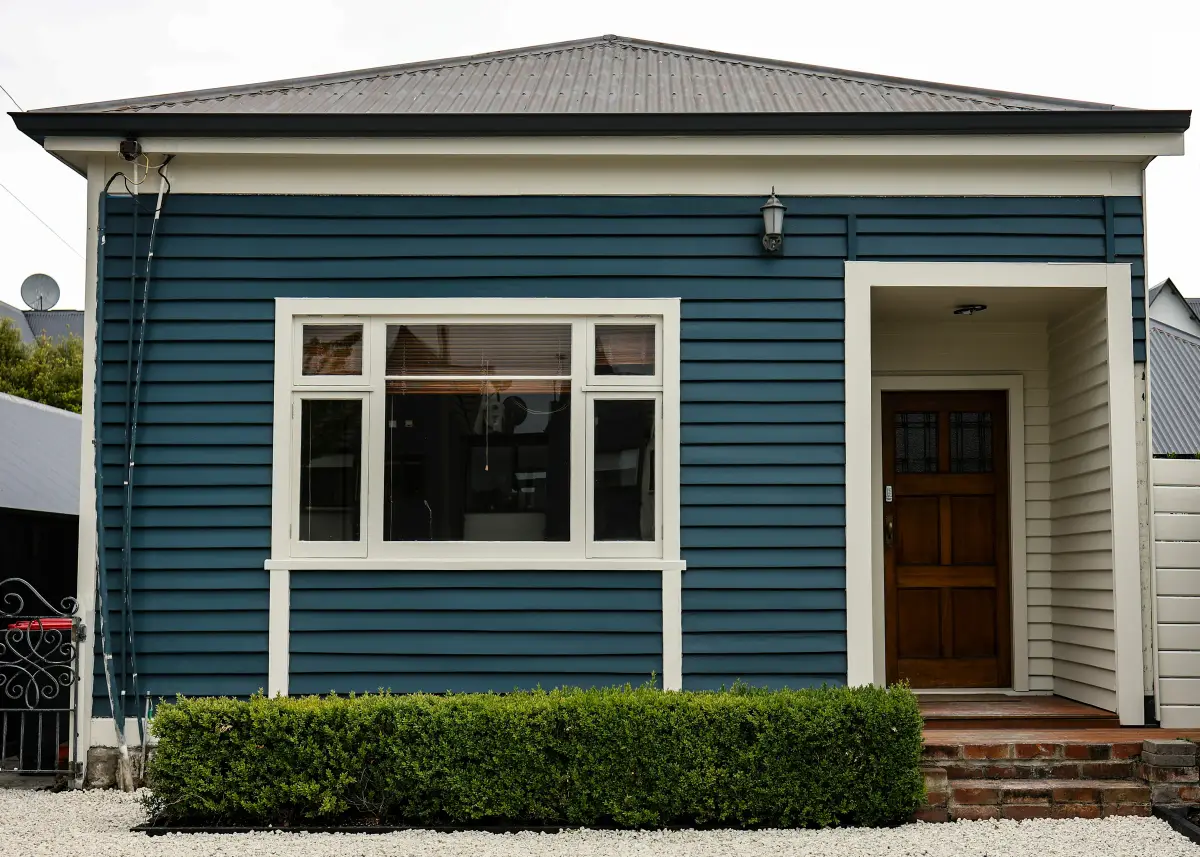
Does house insurance cover roof leaks and gradual damage?
It usually comes down to cause. A storm that tears off roofing is a sudden event; a slow leak through rusted flashing is maintenance.
QuoteHub is a Tower partner. Smiths Insurance & KiwiSaver may receive a commission if you buy. General information, not advice.
Written by Henry Smith · Updated 7 October 2026
The short answer
Usually it depends on the cause. A roof damaged by a storm is a sudden event, which is what house insurance is written for, while a roof that has slowly let water in through rusted flashing or cracked tiles is treated as maintenance and is generally not covered. Tower's wording defines loss as "sudden and accidental physical loss or sudden and accidental physical damage" and excludes gradual damage and wear and tear. This page, part of our house insurance guide, explains where that line falls for roof leaks, slow water damage, solar panels and retaining walls.
Roof leak scenarios at a glance
The same wet ceiling can be paid or declined depending on how it got there. These are the common cases, based on Tower's published wording and guidance.
| What happened | How it is usually treated | Source |
|---|---|---|
| Wind lifts roofing iron or a branch punches through tiles, then rain gets in | Sudden event, usually the kind of loss the policy is written for | Tower House Plus wording |
| Flashing has rusted or a seal has perished and water seeps in over months | Gradual deterioration and maintenance, generally not covered | Tower |
| You knew about a leak and left it | Damage that follows is not covered | Tower |
| Water gets in because of a design, materials or workmanship defect | Excluded | Tower House Plus wording |
| A hidden internal pipe leaks inside the ceiling space | Possibly the hidden gradual water damage benefit, within its limit | Tower House Plus wording |
| Rain or roof water damages your furniture and belongings | Usually a contents policy question, not a house one | Tower contents insurance |
Sudden damage versus gradual damage
The first question an insurer asks about any leak is what caused it and how long it has been happening. Tower describes the split this way: a pipe that suddenly bursts and floods a room is usually covered, while moisture that over time leads to rot, mould or damage to the structure is generally not covered because it is not sudden or accidental.

Read more about sudden damage versus gradual damage
The wording backs that up. Tower's house policy excludes "gradual deterioration", naming the action of micro-organisms, atmospheric or climatic conditions, corrosion, fungi, rust, rot, mildew and mould, and separately excludes wear and tear. The same list says that resulting loss, meaning secondary damage that happens as a direct result of an excluded cause, is still covered. Other insurers sell this cover too and their wordings differ, so check the exclusions on yours.
Roof leaks: a storm event or a maintenance problem
Think of two roofs. In the first, a storm lifts roofing iron or a branch punches through the tiles, and rain follows. That is a sudden event, and the damage it causes is the kind of loss the policy is written for.
Read more about roof leaks: a storm event or a maintenance problem
In the second, flashing has rusted, tiles have cracked or a seal has perished, and water has seeped in over months. That is usually treated as a maintenance matter. Tower says that if damage is caused because gutters were blocked or a seal around a bath has not been replaced in years, that is considered maintenance, and that if you knew about a leak and chose not to fix it, the damage that follows is not covered. The wording also excludes water or dampness entering the house because of a structural defect, defective design, materials or workmanship.
A few practical points follow from that:
- Tower's wording requires you to take reasonable care to protect and maintain your house, so a documented roof check helps if you ever claim.
- Tower itself suggests a quick roof check now and then, looking for loose or cracked tiles and rusting flashing. After a big storm is a sensible time.
- After a claim event you must take all reasonable steps to prevent further loss, and you must get the insurer's permission before arranging repairs or incurring expense. A tarp over a hole is sensible. A full re-roof before the insurer has agreed is a risk.
New policy, named cyclone or empty house
Three timing rules catch New Zealand owners out, because storms are the main way roofs fail here.
Read more about new policy, named cyclone or empty house
- Stand-down periods. Tower's wording excludes a storm or flood that occurs within 72 hours of the policy start date, and any cyclone or ex-tropical cyclone that had already been named before the start date. Neither applies if the policy started straight after another policy that covered these risks, or was taken out when you bought the house. If a named storm is approaching, taking out cover then will not help.
- Unoccupied houses. When a house is left unoccupied for more than 90 consecutive days, cover is limited from day 91 and an additional excess of $1,000 applies, unless the house is shown on the certificate as a holiday home. The hidden gradual water damage benefit below also stops applying after 90 days.
- Re-roofing. Tower's house under minor alteration benefit covers non-structural work that does not need a building consent. The renovation benefit does not cover work that requires a building consent or involves structural alterations, including removing or altering the roof or cladding. If you are replacing a roof, ask about contract works cover first; our renovation insurance guide covers this.
Hidden gradual water damage: a small, specific benefit
There is one exception to the gradual damage exclusion. Tower's policies include an automatic benefit for hidden gradual water damage, which pays to repair damage, mould or rot caused over time by a leaking water supply pipe, disposal pipe or tank. The pipe or tank must be part of the house's permanent internal plumbing and hidden from view inside walls, cupboards, floors, ceiling or roof, the leak must first occur while Tower insures the house, and the damage must not have been visible or discoverable straight away.
It is narrow. It does not pay to find and fix the leak, it excludes a leak in a shower base, recess or cubicle, and it stops applying once the house has been unoccupied for more than 90 consecutive days. It also covers internal plumbing, so rain coming through a roof is not what it is for. The limit per event depends on the level of cover:
Read more about hidden gradual water damage: a small, specific benefit
Your excess still applies to this benefit: Tower's house wordings say you pay the excess unless the benefit you claim under says it is excess-free, and only a few do, such as keys and locks. That matters when the repair is small.
Solar panels
A solar power system is not automatically part of the house under Tower's wording. It sits in a category called special features, which also includes solar water heating and pools. These are covered only if they are permanently fixed or built in on the same site and are specified on your certificate of insurance. If you install panels after taking out the policy, tell your insurer and check that the certificate lists them.
Read more about solar panels
Two other effects are worth thinking about. Panels add to the cost of rebuilding, so they belong in your sum insured; the sum insured guide lists solar systems among the extras a calculator can miss. And roof penetrations are a common place for leaks to start, so the maintenance rules above apply to the roof around the panels as well.
Retaining walls and driveways
Slow movement is a common cause of damage to walls and paving, and the wording treats these items with limits. Under Tower's House Plus wording, retaining walls essential for the building or its positioning are part of the house. Garden retaining walls are covered up to $25,000 in total on Plus, and walls over that figure must be specified on your certificate. The total is $15,000 on Standard and $50,000 on Premium. Sealed driveways needed for access are covered, while unsealed driveways and paths are not.
Read more about retaining walls and driveways
The cause matters here too. The same wording excludes settling, cracking, soil expansion, shrinkage, movement or compaction, so a wall that cracks over years is treated differently from one damaged by a covered event. Landslide, earthquake and similar events go through the Natural Hazards Commission first; see natural hazards and flood cover.
Making a claim after a roof leak
- Stop further damage if it is safe to do so, and photograph the damage and its cause before changing anything.
- Tell your insurer as soon as possible if it is likely you will claim, and ask what repairs it will approve.
- Keep receipts, quotes, maintenance records and any roof inspection reports. They show whether the cause was sudden or gradual.
- Expect an excess. Tower's standard house excess starts at $400, and an additional excess can apply in some cases.

Read more about making a claim after a roof leak
Water that comes through the roof also damages carpets, furniture and belongings, which sit under a separate contents policy; see home and contents insurance for how the two fit. Tower's own process is set out in Tower insurance claims. For the excess trade-offs, see how to pay less for house insurance.
Getting a quote from Tower online
Have the address, build year, construction type, floor area and your sum insured ready, and note any solar panels or large retaining walls so you can ask about them. QuoteHub's link opens Tower's own online quote, where you can choose between the Standard, Plus and Premium levels: Tower's online quote.
Questions people ask
Does house insurance cover roof leaks?
It depends on the cause. Damage from a sudden event such as a storm is the kind of loss house insurance is written for, because loss is defined as sudden and accidental. A leak from a worn, rusted or poorly maintained roof is usually treated as maintenance and is not covered.
Will home insurance cover water leaks inside the house?
A burst pipe that floods a room is usually covered. A slow hidden leak in permanent internal plumbing may be covered by the hidden gradual water damage benefit, but only up to a limit and not for a shower base or for the cost of finding the leak.
Does house insurance cover solar panels?
Under Tower's wording, a solar power system counts as a special feature and is covered only when it is specified on your certificate of insurance. Tell your insurer when panels are installed and ask for them to be listed.
Is mould from a leak covered?
Mould is named in the gradual damage exclusion, but the hidden gradual water damage benefit can pay for mould, mildew or rot caused by a hidden internal pipe or tank leak, within its limit.
Does the Natural Hazards Commission cover roof leaks?
No. The natural hazards that NHCover responds to are earthquake, landslide, volcanic activity, hydrothermal activity, tsunami and natural hazard fire, and ordinary storm rain is not on that list. After severe weather, NHC says it can contribute to the cost of cleaning up your land. See the natural disaster insurance guide for how the layers fit.
Get a Tower quote online
Tower’s own quote opens in a new tab. House, contents, landlord, car and boat cover can be quoted together in one go.
Tower Easy Save: save $400*. *$400 is made up of individual policy discounts, each available separately. New, eligible policies only with promo code EASYSAVE. Excl. contract works. Ends 30 Jan 2027. Ts&Cs apply. Tower’s Easy Save terms, checked 6 October 2026.
QuoteHub is a Tower partner. Smiths Insurance & KiwiSaver may receive a commission if you buy. General information, not advice.
Sources
(7)
- Tower: House Plus wording 09-24, retrieved 6 October 2026
- Tower: House insurance, retrieved 6 October 2026
- Tower: Water mishaps, what does insurance cover?, retrieved 6 October 2026
- Tower: Contents insurance, retrieved 6 October 2026
- NHC Toka Tū Ake: home page, retrieved 6 October 2026
- Tower: House Standard wording 09-24, retrieved 6 October 2026
- Tower: House Premium wording 09-24, retrieved 6 October 2026
Reviewed by Smiths Insurance & KiwiSaver, licensed Financial Advice Provider (FSP712931) · Reviewed quarterly, when the underlying data is restated. General information, not advice on your situation. Buying through Tower's online quote is direct, without advice. QuoteHub is a Tower partner and Smiths Insurance & KiwiSaver may receive a commission from Tower.