What does third party car insurance cover in New Zealand?
General information, not advice on your situation. Buying through Tower's online quote is direct, without advice. QuoteHub is a Tower partner and Smiths Insurance & KiwiSaver may receive a commission from Tower.
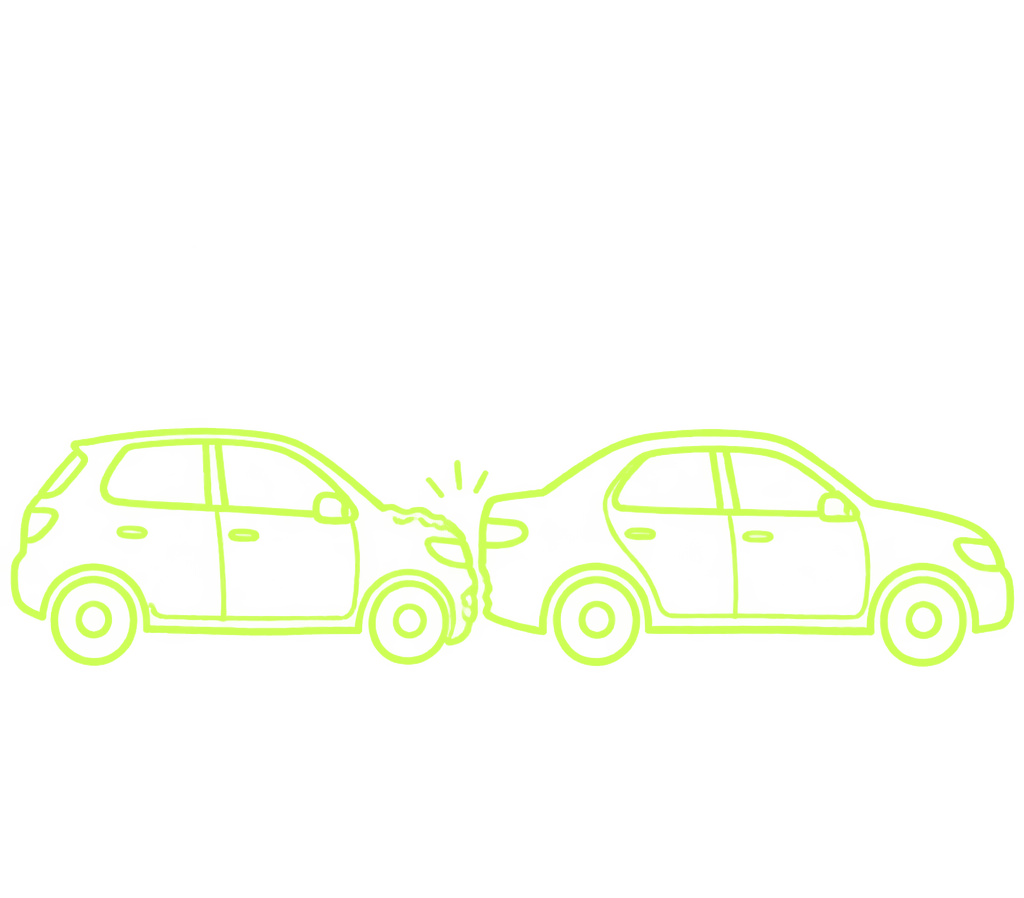
Third party car insurance, often written 3rd party car insurance, pays for the damage you cause to other people's cars and property, but not for your own car, apart from a limited benefit if an uninsured driver hits you. It is the least expensive of the three car cover types (Consumer Protection), and in New Zealand it is not a legal requirement, although the government's Drive website calls having some type of cover a good idea. This guide, part of QuoteHub's car insurance section, covers what it includes, what it leaves out, what happens when someone else hits you and how to tell whether it suits your car.
Third party in four everyday situations
Most people searching for this are really asking what happens after a particular accident. The table shows who pays for what.
| What happened | Your own car | The other person's car or property |
|---|---|---|
| You reverse into a parked car | Not covered, so you pay your own repairs (Consumer Protection) | Your insurer pays, after you pay your excess (Consumer Protection) |
| An insured driver hits you and admits fault | Their insurance should pay, even if you only hold third party (Consumer Protection) | Not applicable |
| An uninsured driver at fault hits you | Possibly the uninsured driver benefit in your own policy (ICNZ) | Not applicable |
| Your car is stolen, or hit by a storm | Not covered under third party only (Tower's wording) | Not applicable |
The excess catches people out. It is the part of a claim you are responsible for, and it applies to each event (Tower's wording). Consumer Protection's example has a driver with a third party policy and a $500 excess who runs into the back of another car: she pays $500 towards the other car's repairs and her insurer pays the rest (Consumer Protection). Tower adds extra excesses when an inexperienced driver or some overseas licence holders are at the wheel (Tower's wording).
What third party car insurance covers
The core of it is legal liability: your responsibility for accidentally damaging someone else's property. Consumer Protection's examples include hitting a parked vehicle, driving over someone's laptop or hitting their fence. The insurer pays for the damage and for defending the claim, including legal costs, up to a claim limit (IFSO Scheme).
As a worked example, Tower's third party only wording covers your legal liability for accidental physical property damage in New Zealand involving your car, a trailer or caravan attached to it, or a car you are using with the owner's permission. Anyone driving your car with your permission is covered too, if they follow the policy's terms. The limit is $25,000,000 in total during the period of insurance, including up to $1,000,000 for liability arising from bodily injury to a person and up to $5,000 for defence costs if you are charged with manslaughter or dangerous driving causing death (Tower's third party only wording). Other insurers set their own limits, so read any wording you consider.
Injury claims work differently in New Zealand. Because ACC covers accidental personal injury, section 317 of the Accident Compensation Act 2001 generally stops people suing for damages for injuries it covers, while claims about damage to property can still be brought. Tower's wording excludes personal injury where ACC cover applies (Tower's wording), and the guide to what ACC does not cover explains the limits of that cover.
What it does not cover
A third party policy leaves these with you:
- Your own car, apart from the uninsured driver benefit below. Consumer Protection's example is reversing into a wall, where you pay for your own repairs (Consumer Protection).
- Your own property. Liability cover generally excludes damage to your own property, such as your fence or a second car you own, which may need a separate claim on your house policy or that car's own policy (IFSO Scheme).
- Injury to you or the driver, belongings and business tools left in the car, and fines or punitive damages (Tower's wording).
- Claims where the rules were broken. Tower's wording excludes claims involving a driver over the alcohol limit, unlicensed or outside their licence conditions, and a car that was not roadworthy, driven unsafely, used for business, raced or taken off-road (Tower's wording). IFSO warns a licence breach can leave you paying for another car as well as your own (IFSO Scheme).
If someone else hits your car
If the other driver is insured and admits fault, Consumer Protection says their insurance should cover the repairs to your car, even when you only hold third party. At the scene, note their name, phone number, registration and insurer, and photograph the damage.
That identification also matters for your excess. Tower's third party only wording waives your excess if you identified the party at fault and Tower is satisfied they were more than 50 per cent at fault (Tower's wording). If the other driver admits fault but has no insurance, Consumer Protection says your insurer may chase compensation for you in some cases (Consumer Protection).
If they are uninsured, look for an uninsured driver benefit: ICNZ says most insurers have one. Tower's third party only wording pays for repairs to your car up to the least of the repair cost, the market value or $4,000, provided you identified the driver at fault, Tower is satisfied they were more than 50 per cent at fault and their vehicle was uninsured (Tower's wording).
Repair costs above that cap are between you and the other driver. The Disputes Tribunal, which settles small claims up to $60,000, lists damage to a car in an accident among the disputes it helps with (Disputes Tribunal). Get your insurer's permission before arranging repairs, as Tower's wording requires (Tower's wording). The guide to how car insurance claims work covers the full claim path.
Third party, fire and theft: the middle option
ICNZ describes third party, fire and theft as third party cover plus fire and theft damage to your own car. Tower's wording for it lists fire, theft or illegal conversion (including attempts) and windscreen and window glass, and settles a total loss at market value. A theft from a locked garage or secure parking building is excess free (Tower's third party, fire and theft wording).
Crash damage and storm or flood damage to your own car are not on that list. Those need comprehensive cover, which Tower offers at agreed value or market value (Tower's comprehensive wording), a choice covered in the comprehensive car insurance guide.
The table below follows Tower's published wordings (third party only, third party, fire and theft and comprehensive), which the guide to Tower car insurance walks through. Stand-down periods, excesses and limits still apply, and other insurers' wordings differ.
| What happens | Third party only | Third party, fire and theft | Comprehensive |
|---|---|---|---|
| You damage someone else's car or property | Covered | Covered | Covered |
| You cause a crash and your own car is damaged | Not covered | Not covered | Covered |
| Your car is stolen or burnt | Not covered | Covered at market value | Covered at agreed or market value |
| A windscreen or window breaks | Not covered | Covered | Covered |
| A storm, flood or hail damages your car | Not covered | Not covered | Covered |
| An uninsured driver at fault damages your car | Up to $4,000 (wording) | Up to $4,000 (wording) | Covered up to agreed or market value |
Is third party enough for your car?
In Tower's wordings the liability limit is the same at every level, so the choice is about your own car. Consumer Protection's worked examples show how people reason about it: one owner of a $1,000 car chose third party, another with a $4,000 car chose third party, fire and theft, and an owner of a $12,000 Toyota chose comprehensive (Consumer Protection). The logic is that a low-value car costs little to lose, so paying more for cover on it makes less sense. Three questions usually settle it:
- Could you replace the car from savings if it were stolen or written off in a crash you caused? Third party does not pay for either.
- Is theft a risk where it is parked? Third party, fire and theft adds theft cover, and Consumer Protection says to tell your insurer about a locked garage or an alarm (Consumer Protection).
- Who drives it? Tower asks you to list every driver who uses the car at least once a month (Tower), and drivers under 25 or without a full licence pay more (Consumer Protection). The guide to car insurance for young drivers goes further.
Going without any cover is the riskiest option. IFSO says that if you cause an accident while uninsured you pay for repairs to your own car and the other cars involved, and the guide to whether car insurance is compulsory goes into the legal side.
Getting a quote from Tower online
Have the car's registration number, your licence, your claims history and any regular drivers' details to hand. QuoteHub's link opens Tower's online quote, Tower's own page, which prices cover on the details you enter.
Questions people ask
What does 3rd party insurance mean on a car?
It means the insurer covers your legal liability to the third party, the other person whose car or property you damage, and not your own car. Tower's third party only wording sets this out as cover for accidental physical property damage in New Zealand (Tower's wording).
If I only have third party and someone hits me, who pays?
If the other driver is insured and admits fault, their insurer should pay for your repairs even though you only hold third party (Consumer Protection). If they have no insurance, check your policy for an uninsured driver benefit, which Tower's wording caps at $4,000 for repairs to your car (Tower's wording).
Is third party car insurance compulsory in NZ?
No. Drive says car insurance in New Zealand isn't a legal requirement. Going without can still be costly: if you cause an accident while uninsured you pay for repairs to your own car and the other cars involved (IFSO Scheme).
Can I drive any car with third party insurance?
Not automatically. Tower's wording covers your liability when you use a car you do not own with the owner's permission, but it does not insure that car, does not pay where another insurer covers the same liability, and excludes a hired or leased car unless the leasing company is named as an interested party (Tower's wording).
How much does third party car insurance cost in NZ?
There is no single price, because insurers rate each driver and car. ICNZ says vehicle insurance rates factor in the motorist's age, previous claims and the make and model of the car, among other things. Third party is the least expensive of the three types, and the guides to what sets the price of car insurance and ways to pay less for car cover go further.
Adviser's view
QuoteHub's read: in Tower's wordings the liability cover is the same at all three levels, so the choice comes down to how much of your own car's loss you could carry yourself.
Get a Tower quote online
Tower’s own quote opens in a new tab. House, contents, landlord, car and boat cover can be quoted together in one go.
Tower Easy Save: save $400*
- $200 off house or landlord
- $100 off comprehensive car
- $100 off contents
*$400 is made up of individual policy discounts, each available separately. New, eligible policies only with promo code EASYSAVE. Excl. contract works. Ends 30 Jan 2027. Ts&Cs apply. Tower’s Easy Save terms, checked 6 October 2026.
QuoteHub is a Tower partner. If you buy through this link, Smiths Insurance & KiwiSaver may receive a commission from Tower. Buying online is not financial advice.
Cite this page QuoteHub NZ (2026). Third Party Car Insurance NZ: What It Covers. www.quotehub.co.nz/car-insurance/third-party-car-insurance-nz. Updated 2026-10-07.
References
- Drive: car ownership and insurance
- Consumer Protection: car insurance
- ICNZ: motor insurance
- ICNZ: what makes up your premium
- IFSO Scheme: car insurance legal liability cover
- IFSO Scheme: car accidents involving uninsured drivers
- IFSO Scheme: breaching driver licence conditions
- Disputes Tribunal: what the Tribunal can help with
- Accident Compensation Act 2001, section 317
- Tower: third party only wording
- Tower: third party, fire and theft wording
- Tower: comprehensive wording
- Tower: what you need before insuring your car
Explore related pages: Life Insurance, Income Protection, Health Insurance, Trauma Insurance, Technology.