What does comprehensive car insurance cover in NZ?
General information, not advice on your situation. Buying through Tower's online quote is direct, without advice. QuoteHub is a Tower partner and Smiths Insurance & KiwiSaver may receive a commission from Tower.
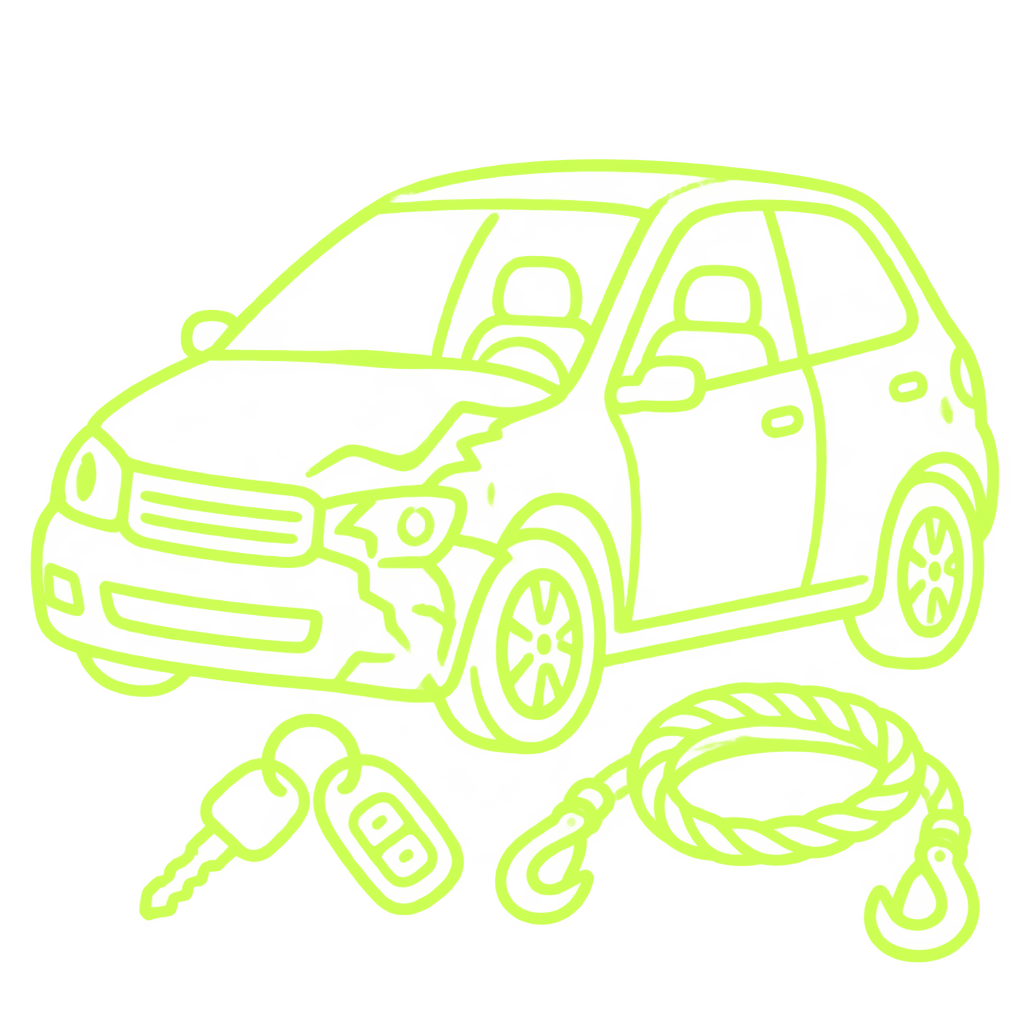
Comprehensive car insurance pays to repair or replace your own car after an accident, theft or fire, and pays for damage your car does to other people's vehicles and property. It is the broadest of the three standard types of motor cover in New Zealand, and the Insurance Council of NZ (ICNZ) says it applies whether the fault was yours or someone else's (ICNZ motor guide). What a claim actually pays still depends on limits, exclusions and how your car is valued. Tower's published wording is the worked example below, and Tower notes that what each level covers depends on the insurer (Tower comparison).
What comprehensive car insurance covers
Tower's wording covers sudden and accidental loss or damage to your car in New Zealand (Tower wording). Tower says that includes damage caused by anyone, fire and natural disasters (Tower guide), and theft (Tower car page).
Third party cover is built in. Tower's liability protection covers your legal liability for accidental property damage involving your car, an attached trailer or caravan, or a car you borrow with the owner's permission, up to $25,000,000 in total, including up to $1,000,000 for bodily injury to a person (Tower wording). It excludes injury to you or the driver and personal injury where ACC provides cover, as QuoteHub's guide to ACC and private insurance explains.
Tower's three wordings compare like this, and QuoteHub's third party guide covers the other two levels:
| What happens | Comprehensive | Third party, fire and theft | Third party only |
|---|---|---|---|
| You damage someone else's car or property | Covered | Covered | Covered |
| You cause a crash and your own car is damaged | Covered | Not covered | Not covered |
| Your car is stolen or burnt | Covered | Covered | Not covered |
| An uninsured driver damages your car | Covered | Up to $4,000 if the driver is identified and mostly at fault (wording) | Up to $4,000 if the driver is identified and mostly at fault (wording) |
Comprehensive also carries automatic benefits with set limits:
| Benefit | Limit (NZD) | Paid on top of the car's value |
|---|---|---|
| Child car seats | $750 per seat (wording) | Yes |
| Transport costs | $500 (wording) | Yes |
| Road clearing costs | $1,000 (wording) | Yes |
| Lost or stolen keys and locks | $1,000 (wording) | No |
Tower covers windscreen and window glass automatically (Tower car page). Optional extras include rental car cover up to $1,000 and roadside assistance (Tower wording).
Agreed value or market value
Market value is what a car of the same make, model, kilometres, year and condition could have been bought for on the retail market just before the loss, as assessed by a valuer the insurer approves. Agreed value is the figure you and the insurer settle on when cover starts, changes or renews, shown on your certificate of insurance (Tower wording).
Tower says market value is not the price of a similar new car, what you paid or a dealer trade-in. Agreed value must be accepted by the insurer, should reflect the car's current value and is reassessed at each renewal. Tower says it carries higher premiums than market value but suits new or modified cars and cars with money still owing (Tower on market and agreed value).
For repairs, the most Tower pays is the least of the repair cost, the market value and the agreed value. At a total loss it pays the agreed or market value shown on your certificate, pays any lender it has been told about, takes the car and any unused rego, road user charges and Warrant of Fitness (WoF), and ends the policy. If you pay by instalments, the rest of the annual premium is due before settlement (Tower wording).
Two examples show why the choice matters. On a car that is partly paid off, the settlement goes to the lender first, because Tower pays an interested party it has been told about (Tower wording), so tell your insurer who holds the finance. On a modified car, agreed value suits it better, as Tower says, but the modifications themselves are only paid for if they are listed on your certificate.
Cars owned and insured with Tower from new may get a new replacement if written off within two years, subject to availability (Tower wording). After a partial loss, Tower automatically reinstates the car's sum insured to its pre-loss value once repairs are complete (Tower wording).
What comprehensive does not cover
Under Tower's wording the main exclusions include the following (Tower wording).
- Mechanical failure (unless it results from an accepted loss), wear and tear, depreciation and the cost of fixing defects.
- Tyres (unless damage is malicious or part of another covered loss) and anything left in the car, including belongings and business tools.
- Modifications that differ from the manufacturer's specification, unless added as an optional extra and listed on your certificate.
- Business use. Driving to and from work is covered, but delivering food, people or packages, hire and fare-paying passengers are not, and Tower says rideshare is not covered (Tower car page).
- Drivers over the alcohol limit, impaired by drugs, unlicensed or breaching licence conditions, or who leave the scene or refuse a test.
- Off-road use (including beaches), racing and unsafe driving such as texting. An expired WoF does not automatically mean a declined claim, but Tower checks whether poor maintenance contributed (Tower guide).
- Storms, floods, wildfires, tsunamis, volcanic activity and landslides within 72 hours of the policy start date, and cyclones already named, unless the policy follows straight on from one covering those risks or was bought with the car (Tower wording).
These are examples, not the full list.
Excess and what happens when you claim
An excess is the part of each claim you pay yourself, and your certificate shows the amount (Tower wording). Extra excesses can apply for inexperienced drivers. Tower says a higher excess may lower the premium (Tower guide).
Under Tower's wording there is no excess when another driver is identified and more than 50% at fault, on claims only for lost or stolen keys, when a car is stolen from a locked garage or secure parking building, or on windscreen-only claims if you added the buyout. If one event damages your car and other things Tower insures, such as your house or a boat, you pay only the highest excess once (Tower wording).
The wording sets out what to do after a loss:
- Make sure everyone is safe, and tell the Police if theft, burglary, arson or malicious damage appears to have happened.
- Tell Tower as soon as possible if a claim is likely, and take reasonable steps to prevent further loss.
- Get Tower's permission before arranging any repairs, and return a claim form within 30 days if asked.
- Let Tower inspect the car. Do not discuss a claim made against you with the other person, and refer them to Tower instead (Tower wording).
A repairer outside Tower's network may mean a cash settlement of the assessed repair cost instead, while repairs by a Tower Repair Partner are backed for as long as you own the car (Tower wording). QuoteHub's guide to making a Tower claim has more detail.
Is comprehensive worth it for your car?
Tower says car insurance is not a legal requirement in New Zealand, though comprehensive cover may be a loan condition, so check your finance agreement (Tower guide). Tower's guidance is that comprehensive matters most for an expensive or costly-to-repair car, while an older, lower-value car may suit third party (Tower comparison). A practical test is whether you could repair or replace the car from savings after a crash you caused.
Tower says its prices reflect the type of car, rising repair costs, the car's value, location and government levies, and that premiums can rise as a car ages (Tower on premiums). ICNZ says drivers under 25 are statistically more likely to crash and tend to pay more (ICNZ motor guide). See QuoteHub's guides to car insurance costs, paying less for cover and young drivers, Tower's covers and the car insurance hub.
Getting a quote from Tower online
Have your registration number, licence type, the address where the car is parked, any previous claims, your regular drivers and any modifications to hand. QuoteHub's link opens Tower's online quote, Tower's own quote tool, where you see Tower's terms and price. Other insurers sell comprehensive cover too, so run the same wording checks on any quote.
Questions people ask
Is comprehensive the same as full cover?
ICNZ lists three types of motor policy, and "full cover" is not one of them (ICNZ motor guide). If a quote says "full cover", ask which of the three it means: comprehensive is the broadest, and it still has the limits and exclusions above.
Does comprehensive cover engine failure or a breakdown?
Not under Tower's wording, which excludes failure, breakage or breakdown of any part of the car unless it results from a loss the insurer has accepted (Tower wording). Roadside assistance is a separate optional extra (Tower car page).
Who can drive my car, and can I drive someone else's?
Tower covers anyone driving your car with your permission, unless you choose the optional exclusion of drivers under 25 (Tower wording). Your policy insures the car on your certificate, so damage to a borrowed car depends on the owner's policy covering you, and Tower suggests checking with the owner first (Tower guide).
Do I have to tell the insurer about modifications and other drivers?
Yes. ICNZ says to disclose everything that may affect acceptance, whether or not a question is asked (ICNZ motor guide). Tower says an unreported modification can lead to a declined claim and a cancelled or avoided policy, and that you should list everyone who drives the car at least once a month (Tower on what you need).
Adviser's view
QuoteHub's read: comprehensive is the only standard level that repairs your own car after a crash you cause, and what it pays at a total loss depends on whether the car is insured at agreed or market value.
Get a Tower quote online
Tower’s own quote opens in a new tab. House, contents, landlord, car and boat cover can be quoted together in one go.
Tower Easy Save: save $400*
- $200 off house or landlord
- $100 off comprehensive car
- $100 off contents
*$400 is made up of individual policy discounts, each available separately. New, eligible policies only with promo code EASYSAVE. Excl. contract works. Ends 30 Jan 2027. Ts&Cs apply. Tower’s Easy Save terms, checked 6 October 2026.
QuoteHub is a Tower partner. If you buy through this link, Smiths Insurance & KiwiSaver may receive a commission from Tower. Buying online is not financial advice.
Cite this page QuoteHub NZ (2026). Comprehensive Car Insurance NZ: What It Covers. www.quotehub.co.nz/car-insurance/comprehensive-car-insurance-nz. Updated 2026-10-07.
References
- Tower, comprehensive cover wording (09-24)
- Tower, third party, fire and theft wording (09-24)
- Tower, third party only wording (09-24)
- Tower, car insurance
- Tower, market value vs agreed value
- Tower, what is comprehensive car insurance?
- Tower, comprehensive or third party car insurance?
- Tower, can I drive an uninsured car?
- Tower, what you need before insuring your car
- Tower, understanding your car insurance premium
- ICNZ, motor insurance
Explore related pages: Life Insurance, Income Protection, Health Insurance, Trauma Insurance, Ongoing Protection.